
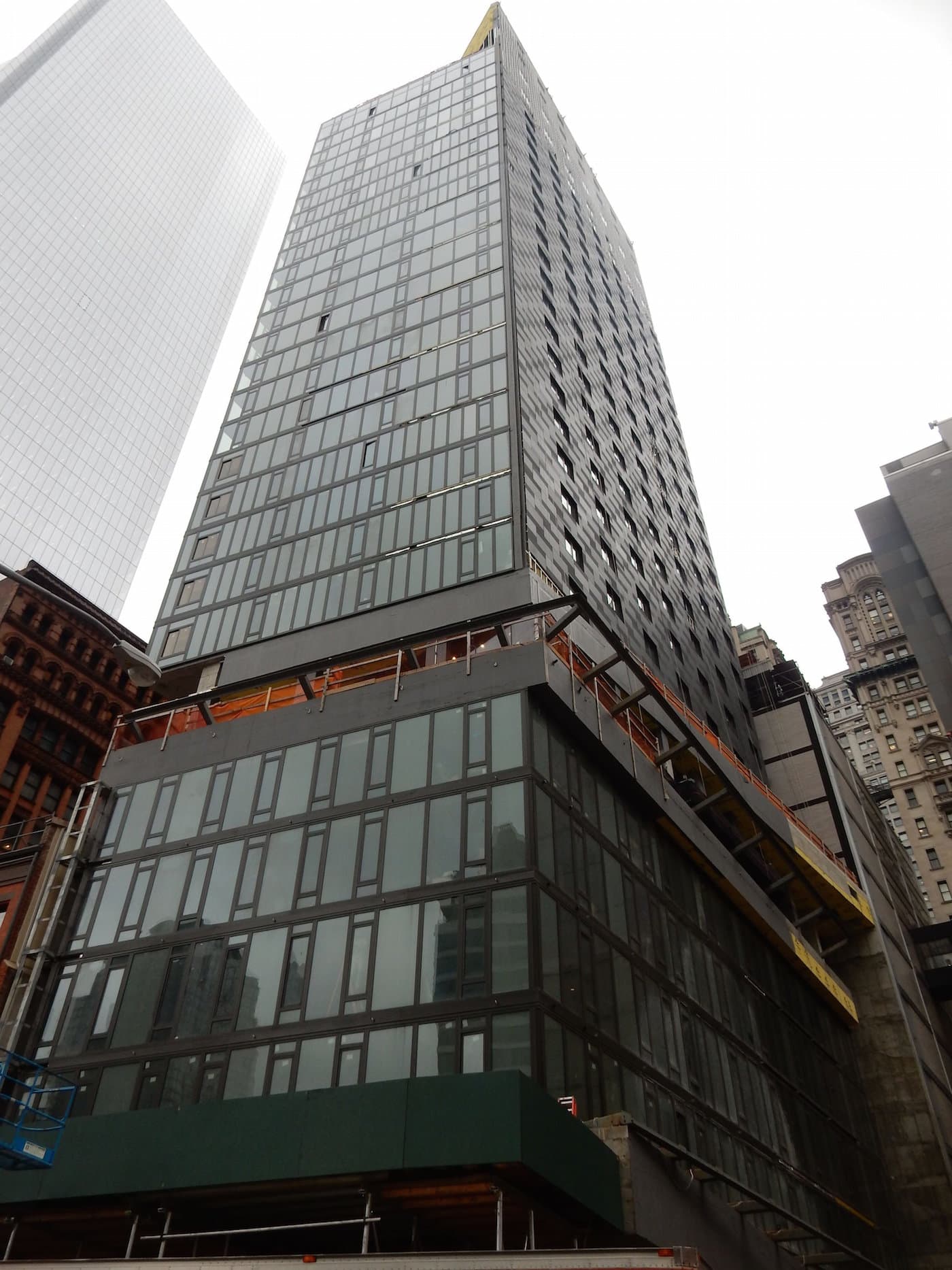
133 Greenwich Street
153,000 BSF


Discreet sourcing and advisory for NYC development site acquisitions, including off-market opportunities and qualified buyer outreach.


Land, parking lots, single-story retail or small buildings where the zoning allows substantially more buildable square footage than exists today. A quiet, competitive sale to developers prices the site on what can be built there.
Multigenerational owners weighing a site sale against holding income in place. Skyline Properties runs the analysis both ways: sale value on buildable square footage against the property’s value as standing income.
Qualified sponsors looking for off-market sites, air-rights packages or assemblages in specific corridors, briefed confidentially before anything reaches the open market.
Confirm the as-of-right envelope: zoning district, FAR, applicable overlays, and any transferable development rights. Those are the numbers a developer will actually underwrite.
Price the site per buildable square foot against comparable Manhattan land trades. The rent from the improvements sitting on it does not set the number.
Approach the sponsors whose active mandates fit the site, quietly and under confidentiality, with no public listing.
Run diligence and the contract terms specific to land deals (approvals, vacancy, environmental), then coordinate through closing.
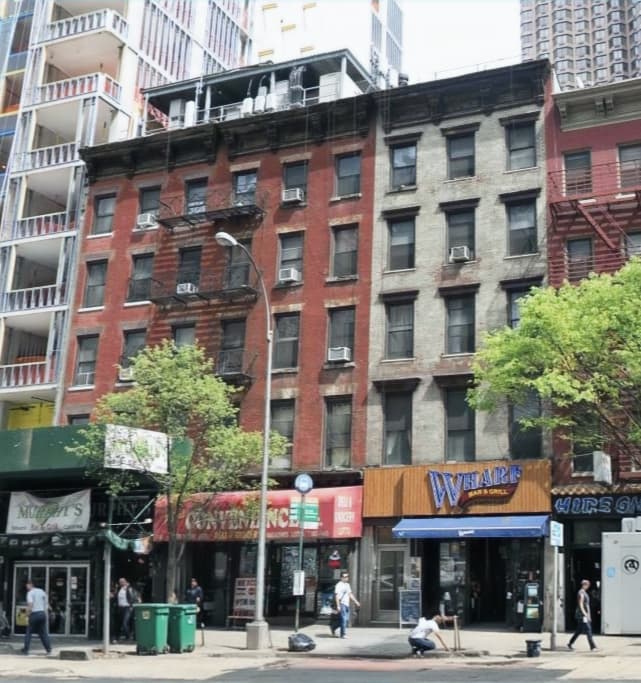
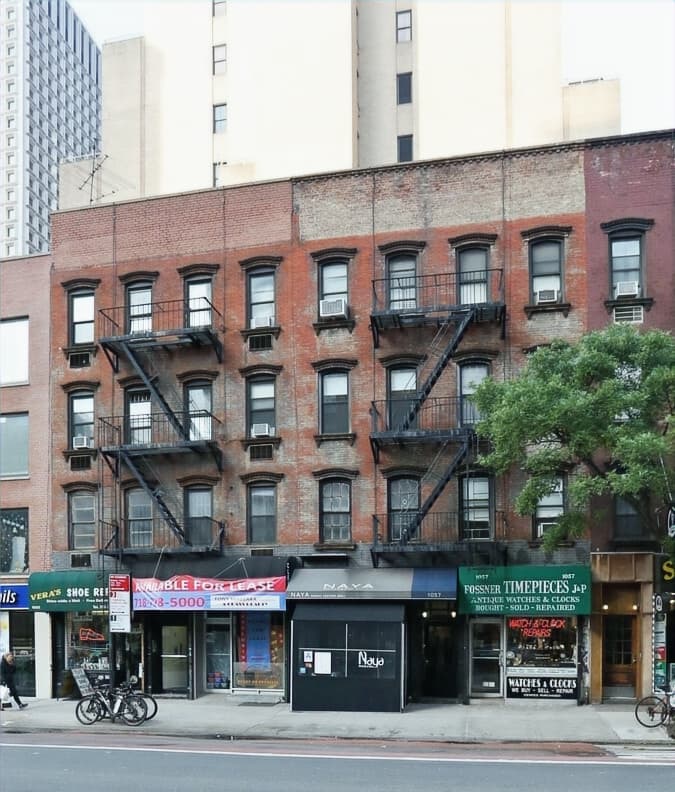
Skyline Properties’ published development-site record includes 133 Greenwich Street ($28M, Financial District), 587–591 Third Avenue ($25M, Murray Hill) and 1055–1057 Second Avenue ($18M). Each one sold off-market to an active developer. Every assignment is led directly by Robert Khodadadian, Founder, President & CEO.
Press Coverage
Third-party reporting connected to published Skyline Properties development-site and air-rights transactions.
Wildflower Studios Bronx Expansion
Wildflower Studios expands in the Bronx.
Firm Behind Wildflower Studios Buys Bronx Industrial Site for $11M
Robert De Niro's Wildflower Studios acquires 1340 Lafayette Avenue in Hunts Point, Bronx.
Wildflower Studios Bronx 1340 Lafayette $11M
Wildflower Studios acquires 1340 Lafayette Avenue in Bronx for $11M.
Wildflower Studios Acquires 1340 Lafayette Avenue for $11M
Wildflower Studios acquires 1340 Lafayette Avenue industrial site in Hunts Point.
The Strategy of Co-op Busting in Commercial Real Estate
Robert Khodadadian explains the specialized strategy of aggregating co-op units for commercial purposes, including retail condo assemblage and building repositioning.
Midtown East Development Site Second Avenue
Development site acquisition in Midtown East on Second Avenue.
FAQ
Manhattan development sites trade on buildable square footage, air-rights optionality, and a clean path to delivery. These are the questions principals ask before they sell or buy a site, including when a 467-m office-to-residential conversion beats ground-up construction.
A strong Manhattan development site starts with unused floor-area ratio (FAR) relative to what is already built, a zoning envelope that allows the intended use as-of-right or with an achievable bonus, and a clean assemblage or single-lot footprint large enough for an efficient floor plate. Beyond the dirt, buyers weigh demolition or relocation cost, soft-site risk (existing tenants, rent-stabilized units, or a non-conforming structure), and whether air rights are available from adjacent lots. Skyline Properties underwrites each of these before bringing a site to a developer, including assemblage plays like the $50M Acadia Realty Trust acquisition at 131-133 Prince Street in SoHo.
Manhattan development sites trade on a dollars-per-buildable-square-foot basis: total price divided by the maximum zoning floor area, net of any demolition or tenant-buyout cost. In 2026, Manhattan land commonly ranges from roughly $300 to $800 per buildable SF depending on submarket, use (condo land prices above rental land), and whether the FAR is as-of-right or needs a bonus or special permit. The price also reflects the cost and time to deliver a clean, buildable site. Skyline Properties bases land pricing on ACRIS-recorded comparable sales and a realistic development pro forma, and ignores aspirational asking prices.
Air rights are unused development potential: the difference between the floor area a zoning lot is allowed and what is built on it today. Those unused rights can often be moved to an adjacent lot through a zoning-lot merger or, in special districts, sold as Transferable Development Rights (TDR). Buying a neighbor's air rights can turn a modest site into a viable tower, which is why assemblage is central to Manhattan development. Skyline Properties identifies adjacent-lot FAR, models the merged envelope, and advises owners and developers on whether to buy, sell, or aggregate air rights before they commit to a site.
It depends on which buyer pool values your asset more. An aging, under-built, or low-occupancy building on a high-FAR lot often sells for more to a developer who values the dirt than to an investor who values the in-place rent roll. A well-leased, fully built asset usually sells higher as an income property. Tenancy matters too: rent-stabilized units, long-term commercial leases, or an operator who is hard to relocate can make a development exit slower and riskier. Skyline Properties runs the income-property and development-site valuations side by side, then markets the asset to whichever pool produces the highest net proceeds.
Development sites suit an off-market sale because their value sits in the dirt, and there is no stabilized cash flow for an open process to verify. A public listing tells tenants, neighbors, and the market that the owner plans to redevelop, which can set off holdouts, tenant organizing, or competing assemblage offers that weaken the owner's hand. A confidential, NDA-protected process run with a short list of qualified developers keeps the negotiating position and the discretion intact. Skyline Properties has closed Manhattan development trades quietly, including 133 Greenwich Street ($28M, 2012), 587-591 3rd Avenue ($25M, 2014), and 1055-1057 2nd Avenue ($18M, 2015).
Frequently, yes. For many older Manhattan office buildings, particularly Class B/C stock south of 96th Street, a 467-m office-to-residential conversion delivers apartments faster and at a lower basis than demolition and ground-up construction, while capturing up to a 35-year property-tax exemption. The right path depends on the building's floor plate, light and air, structural grid, and acquisition basis. Skyline Properties models both the conversion and the redevelopment case, and brokered two of the defining 2025 conversion trades: the $135M Vanbarton Group acquisition of 6 East 43rd Street and the $105M Quantum Pacific and Metro Loft acquisition of 101 Greenwich Street.
Selected articles from the Skyline Properties insights library, where Robert Khodadadian writes on NYC commercial real estate strategy, capital markets, and deal execution.
NYC Air Rights and Transferable Development Rights (TDR)
Zoning lot mergers, TDR pricing, special district programs.
NYC Zoning Variance Process Explained
BSA jurisdiction, four-prong variance test, special permits.
Ground-Up Development Financing for NYC Commercial Real Estate
Construction loan + mezz / pref capital stack.
Construction Lending Fundamentals
Senior construction debt sizing, completion guarantees, draw schedules.
Location Analysis and Site Selection
Transit, demographics, and zoning capacity: how we screen a site.
Environmental Due Diligence for NYC Commercial Real Estate
Phase I / Phase II ESA, brownfield programs, NYC contamination patterns.
Content reviewed July 17, 2026 · Skyline Properties · Robert Khodadadian