
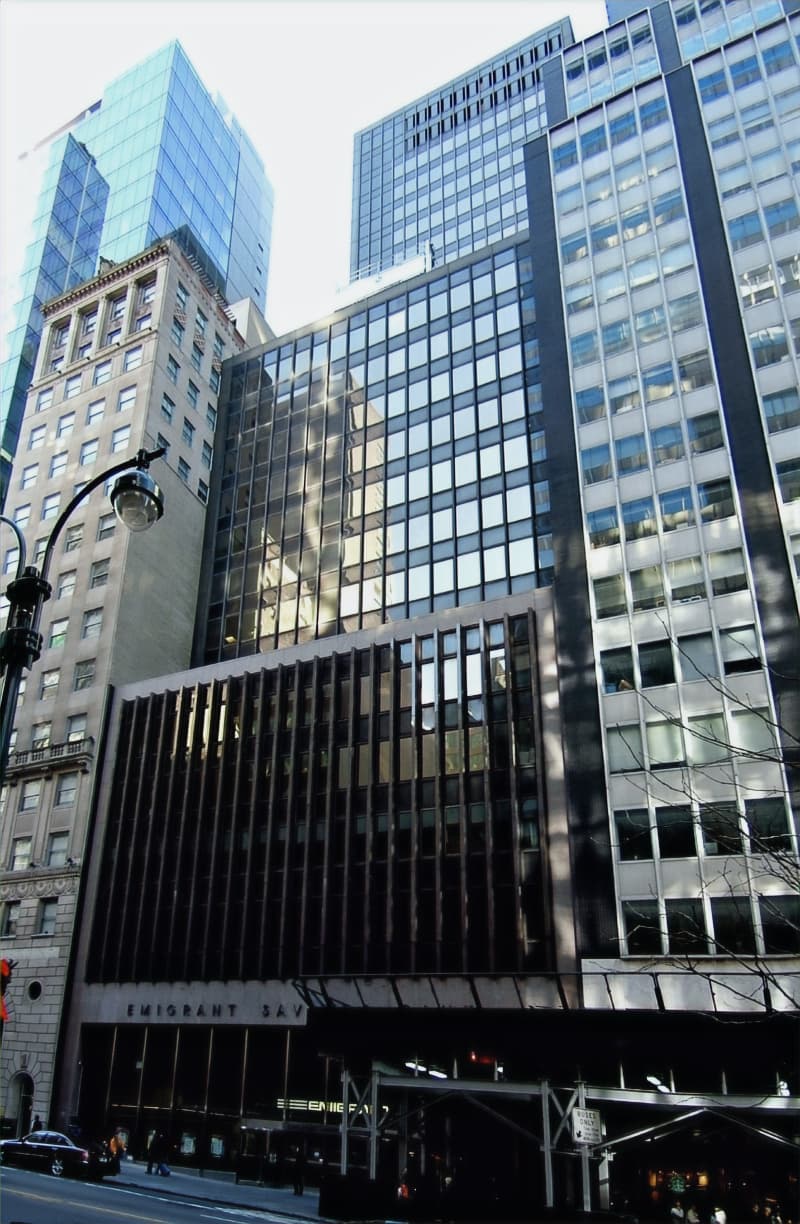
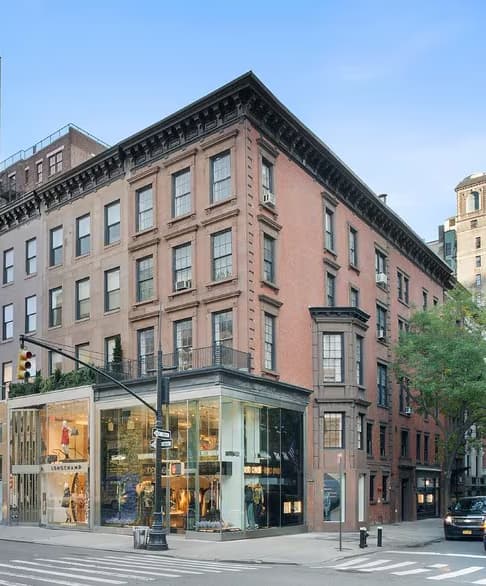
6 East 43rd Street
400,000 SF
$/SF
$338
Closed
2025
BuyerThe Vanbarton Group
SellerEmigrant Savings Bank
Deal Data
Press Coverage



Expertise


Skyline Properties advises Manhattan owners and qualified buyers on commercial-property sales and acquisitions across office, multifamily, mixed-use, retail, development, conversion and ground-lease assets. Every assignment is led by Robert Khodadadian.
A Manhattan investment sales broker represents property owners and qualified buyers in the sale or acquisition of income-producing and development-oriented commercial real estate. The work includes property analysis, valuation, positioning, buyer or property identification, information control, negotiations, due diligence and closing coordination.
The right strategy depends on the property and on what the client needs. Some assignments call for a tightly controlled off-market process; others do better with broader exposure. Skyline Properties makes that call property by property instead of treating one marketing method as the answer for everything.
Seller representation begins with a property-specific review of income, expenses, leases, taxes, condition, zoning, development rights, capital requirements and ownership priorities. The strategy that comes out of that review has to account for value and for execution risk.
Skyline Properties evaluates qualified buyers on asset class, target geography, price range, capitalization, timing and relevant transaction history, then matches the mandate to published, privately marketed or relationship-driven opportunities where the criteria line up.
No single capitalization rate, price-per-square-foot range or comparable sale sets the value of every Manhattan property. A sound valuation looks at the whole property in its market.
A confidential process may be appropriate when ownership wants controlled disclosure, limited disruption or targeted outreach to a clearly identifiable buyer group. Broader exposure may be appropriate when the potential buyer universe is wider and public marketing is consistent with the owner’s objectives.
Skyline Properties can start with a private process and widen it later if the owner wants. Owners who want the detail on confidential execution should read the dedicated Manhattan off-market investment sales broker page.
The examples below are limited to transactions Skyline Properties has published. Confidential assignments not approved for publication are not included.
| 6 East 43rd Street | $135M | Office / conversion candidate | Vanbarton Group |
| 101 Greenwich Street | Over $100M | Office / conversion strategy | Quantum Pacific + Metro Loft |
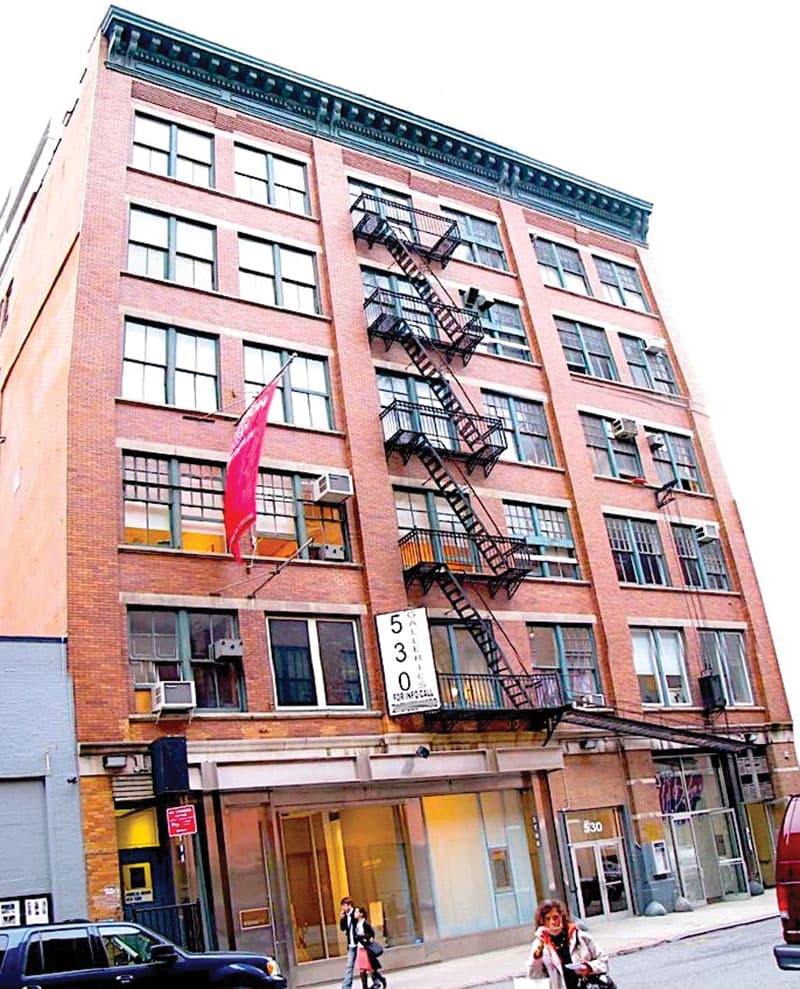
| 530 West 25th Street | $72.125M | Chelsea office building | Feil Organization |
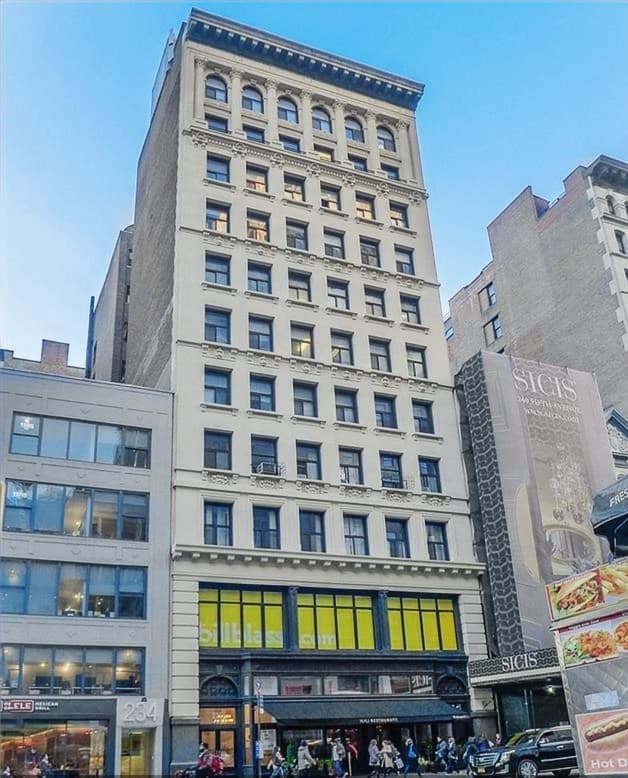
| 236 Fifth Avenue | $65M | 99-year ground lease | Kaufman Organization |
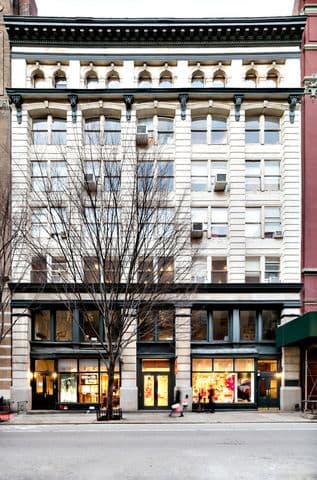
| 131-133 Prince Street | $50M | SoHo retail cooperative interest | Acadia Realty Trust |
See the transaction database and case studies for published details and supporting source links.
The sequence and timing vary by property, ownership structure, financing, diligence requirements and required approvals. Skyline Properties sets a transaction schedule only once those facts are known.


A Manhattan investment sales broker represents owners and qualified buyers in the sale and acquisition of commercial real estate, including office, multifamily, mixed-use, retail, development, conversion and ground-lease assets.
This page covers Skyline Properties’ broader Manhattan investment-sales practice for sellers and buyers. The off-market broker page focuses specifically on confidential, controlled outreach when public exposure is not appropriate.
Yes. Skyline Properties represents property owners on dispositions and qualified buyers on acquisition mandates. Any engagement is evaluated for conflicts and structured according to the client’s role and objectives.
Yes. A process can limit outreach, release information in stages and require confidentiality agreements. The appropriate level of exposure depends on the property, buyer depth and ownership priorities.
Timing varies according to property readiness, marketing strategy, buyer financing, diligence, contract negotiations, lender requirements and required approvals. Skyline Properties sets a property-specific schedule once those facts are known and does not promise a fixed closing period in advance.
There is no universal capitalization rate for Manhattan commercial property. Asset class, tenancy, lease rollover, condition, regulation, capital needs, location, financing and buyer demand all have to be weighed together against current, property-specific evidence.
Buyers submit a documented mandate covering asset class, geography, price range, timing, capital structure and relevant experience. Opportunities are matched when the property and seller requirements align with those criteria.
Contact Skyline Properties by phone at (212) 537-9239, by email at info@skylineprp.com or through the confidential contact form to discuss the property or acquisition mandate.
Request a confidential review of the property, ownership objectives or acquisition criteria directly with Skyline Properties.
Contact Skyline PropertiesPress Coverage
Third-party reporting connected to published Skyline Properties transactions and Manhattan investment-sales assignments.
A conversion acquisition starts with a deliverable building - by Robert Khodadadian
An office building can attract residential conversion interest well before anyone has established a workable residential plan. The distinction matters. An acquisition price and a preliminary unit count can begin a conversation, but a buyer ultimately needs a building it can obtain, redesign, finance, construct, and place into service within a supportable schedule. The first screen is physical. Floor depth, window access, the structural grid, cores, vertical circulation, and mechanical systems influence the amount and arrangement of usable residential space. Gross office area is not a residential unit yield. A qualified architect’s test fit should establish the assumptions behind that yield before the acquisition model treats it as reliable. The next screen is delivery. Existing leases, renewal options, termination provisions, and actual occupancy may determine when construction can begin. An attractive empty-floor plan can be misleading if key portions of the building remain occupied under agreements that do not match the proposed schedule. The diligence process should connect each occupancy assumption to a document or a defined negotiation. That delivery schedule belongs in the cash-flow model. Acquisition costs, carrying expenses, financing, construction, and lease-up do not occur at the same time. Delaying the start of work can affect interest, property operations, contractor pricing, and the timing of revenue. A sensitivity analysis should show the result of a later delivery instead of hiding that possibility in a general contingency. Regulatory and program review should proceed alongside the physical analysis. A business plan needs a supported view of permitted use, required approvals, applicable code requirements, and any proposed incentive. Eligibility should be confirmed against current requirements by the appropriate advisers and agencies. It should not be inferred from a neighboring project or an earlier transaction announcement. Construction analysis also needs to distinguish building-wide work from the fit-out of individual apartments. Envelope repairs, vertical systems, utility capacity, fire and life safety work, and accessibility requirements can affect the plan even when the residential layout appears efficient. A conversion estimate should identify what has been inspected, what has been priced, and what remains uncertain. The lender’s analysis adds another layer. Sponsors should understand which costs the financing will cover, which milestones control advances, and what additional equity may be required if the schedule changes. An acquisition that works only with an assumed future financing package needs that condition stated clearly while purchase terms are still being negotiated. Owners evaluating conversion buyers should ask comparable questions. What physical work supports the bid? What delivery conditions does the buyer require? Which approvals and financing conditions remain? How much of the offer depends on assumptions that the owner cannot control? These questions help distinguish a credible conversion proposal from an early expression of interest. The relevance of the strategy is visible in completed Manhattan acquisitions. Commercial Observer reported Vanbarton’s $135 million purchase of 6 East 43rd Street in October 2025 with an office-to-residential conversion planned. Skyline Properties represented the buyer. That transaction establishes a specific acquisition and brokerage role; it should not be treated as proof that another office building has the same feasibility, basis, or financing. A conversion decision is strongest when each major number can be traced to a supporting work product: an architectural plan, lease review, cost estimate, financing proposal, or current program assessment. The investor can then see which risks are resolved, which are priced, and which remain conditions to proceeding. That makes a preliminary idea into a decision a buyer and an owner can evaluate.
Apollo Provides $220M Construction and Redevelopment Loan for 101 Greenwich Street - Commercial Observer
26-story Beaux Arts office building in Financial District. Office-to-residential conversion opportunity. Skyline Properties sourced the deal for Quantum Pacific's acquisition from BentallGreenOak. Partnership with Metro Loft (Nathan Berman).
2026 Top Broker Awards: Khodadadian & Shirazi Generate Over $181M in Sales
Robert Khodadadian and Daniel Shirazi of Skyline Properties recognized in Connect CRE's 2026 Top Broker Awards for generating over $181 million in investment sales.
The Exclusive Listing Myth: Why Manhattan’s biggest deals don’t need gatekeepers
This isn’t about running a “cattle call” or blasting every investor on earth with an offering memorandum that is the opposite of what sophisticated sellers need. It is about reach without noise, access without chaos, and discretion without restriction. It is about making sure that when the market speaks, everyone who should hear the question actually hears it.
Apollo, 101 Greenwich, Quantum Pacific & Metro Loft
Coverage of Quantum Pacific and Metro Loft joint venture on 101 Greenwich Street office-to-residential conversion.
Quantum Pacific Metro Loft 600-Unit Conversion at 101 Greenwich Street
Quantum Pacific and Metro Loft announce plans for 600-unit residential conversion at 101 Greenwich Street in FiDi.
Content reviewed July 17, 2026 · Skyline Properties · Robert Khodadadian