
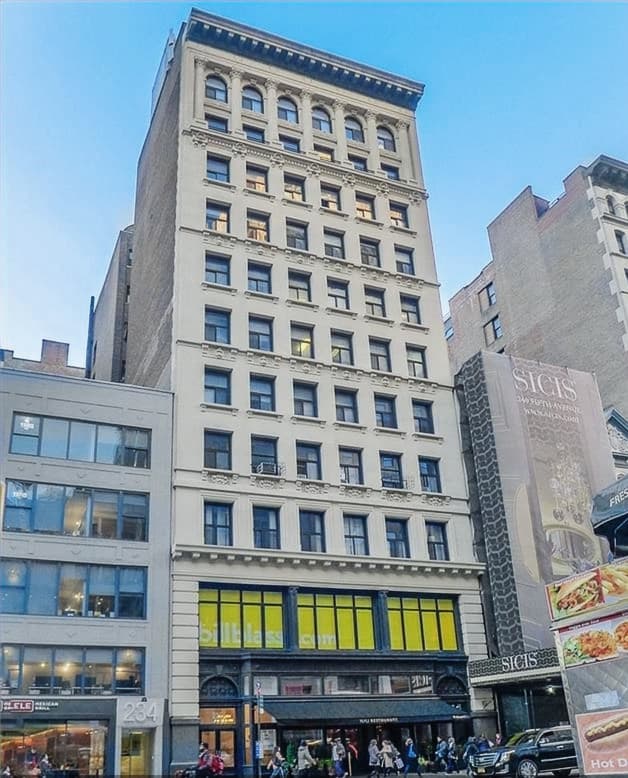
236 Fifth Avenue
95,000 SF


A NYC ground lease splits ownership of the land from ownership of the building for a long term, usually 99 years. The fee owner keeps the land and collects ground rent. The leasehold tenant builds or operates the improvements. This page is the working reference: how a 99-year ground lease gets structured, how the fee and leasehold positions are valued separately, and how the rent-reset mechanics decide which side comes out ahead over the cycle. Written by Robert Khodadadian, Founder, President & CEO of Skyline Properties, and anchored to the $65M 236 Fifth Avenue ground lease (Kaufman Organization, 2017) and Skyline Properties' $120M+ in ground-lease transaction volume.
A ground lease in NYC is a long-term lease, usually 99 years, under which a tenant pays the landowner ground rent and develops or operates a building on the land. The landowner retains the fee (the underlying ownership of the land), and the tenant owns the improvements for the duration of the lease.
In Manhattan, the most valuable ground leases sit under trophy office, hotel, multifamily, and mixed-use buildings. The fee is usually held by long-time owners, often the same family for generations, while the leasehold usually sits with institutional capital. Skyline Properties has structured and brokered ground leases for both sides of the table.
Standard NYC ground lease terms and current valuation benchmarks, anchored to the $65M 99-year Kaufman Organization ground lease at 236 Fifth Avenue and Skyline Properties' $120M+ closed ground-lease portfolio.
| Variable | Typical Range | Skyline Properties Reference Deal |
|---|---|---|
| Term length | 49–99 years (99-year standard) | 236 Fifth Avenue: 99 years |
| Fee position cap rate | 4.5–6.5% | $65M 236 Fifth Avenue (NoMad) |
| Ground rent escalation | CPI or fixed 2–3% annual | 236 Fifth Avenue: CPI + resets |
| Rent reset frequency | Every 10–25 years | Fair-market reset at midpoint |
| Reset basis | Fair-market land value | Appraisal-driven |
| Buyer profile (fee) | Family office, REIT, insurance | Long-duration, inflation-protected |
| Buyer profile (leasehold) | Institutional operator | Kaufman Organization, Metro Loft |
| Typical Manhattan deal size | $20M–$100M+ | $65M 236 Fifth Avenue / $35M Haymarket |
Source: Skyline Properties ground-lease desk. Robert Khodadadian + Daniel Shirazi, Esq. (Skyline Properties EVP, attorney-trained).
This is the process Skyline Properties runs when a NYC landowner wants to create a new ground lease and monetize the fee without selling it.
Skyline Properties handles every ground lease structure that trades in the New York market.
Selling a NYC ground lease position is a big decision. Long-time owners often hold the fee as a legacy asset passed down through generations. Estate planning, a shift of capital into other investments, or a 1031 exchange frequently makes a sale of the fee position the right move.
Skyline Properties runs every fee position sale confidentially. That protects the relationship with the leasehold tenant and keeps the ground rent stream undisturbed while the position is marketed.
On the development side, a ground lease can make a project work when a fee-simple purchase would not. Taking the land out of the capital stack lowers the equity check and improves project IRR, and the legacy landowner shares in the long-term upside without selling outright.
Skyline Properties structures ground leases for ground-up development, conversion and recapitalization, representing both fee owners and developer-tenants.
Every ground lease transaction in our transaction database where Skyline Properties was broker of record. You can check each one against the deeds recorded in ACRIS. Where a case study exists, the row links to it for deal-level detail.
| Year | Address | Price | Tenant |
|---|---|---|---|
| 2017 | 236 Fifth Avenue (NoMad, 99-year) | $65M | The Kaufman Organization |
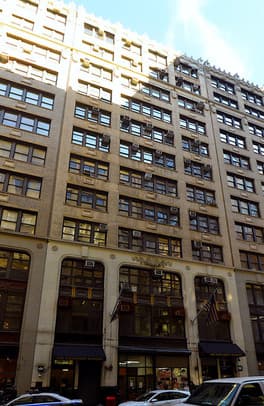
| 2021 | 135 West 29th Street (NoMad, Haymarket Building) | $35M | The Kaufman Organization |
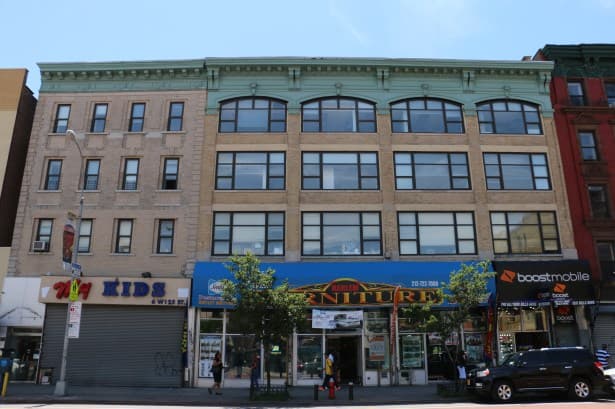
| 2014 | 4-14 West 125th Street (Harlem) | $20M | The Renatus Group |
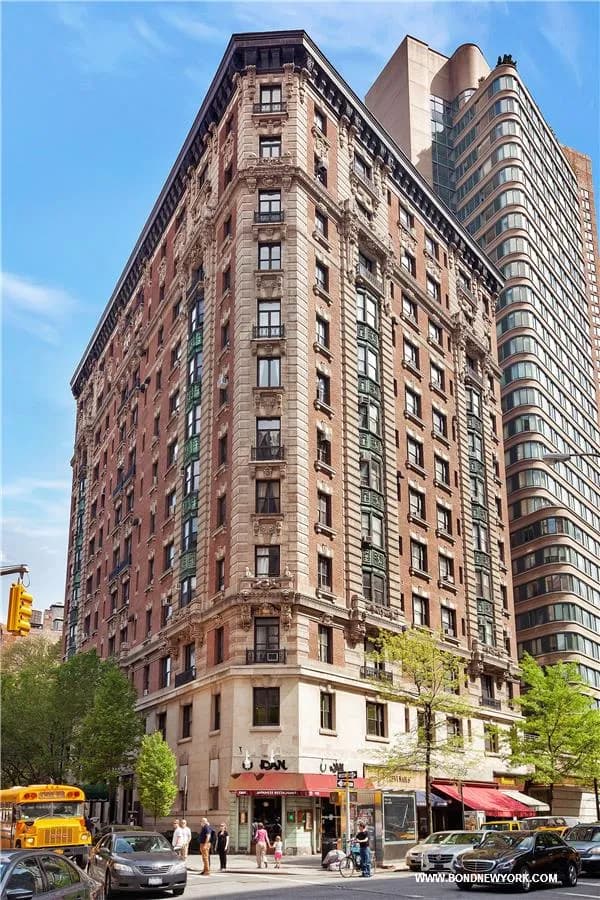
| 2015 | 2012 Broadway (Upper West Side) | $17M | Isaac Shalom |
Source: Skyline Properties transaction database. 4 flagship ground lease transactions, $120M+ aggregate. Full 236 Fifth Avenue case study at /case-studies/236-fifth-avenue.


A NYC ground lease is a long-term lease, usually 99 years, under which a tenant pays ground rent to the landowner and develops or operates a building on the land. The landowner keeps the fee (the underlying land), and the tenant owns the improvements for the duration of the lease.
A NYC ground lease is valued by capitalizing the ground rent stream against current ground lease cap rates, then adjusting for term remaining, escalation structure, fair-market reset clauses, and the credit quality of the leasehold tenant. Skyline Properties provides confidential ground lease broker opinions of value for both fee and leasehold positions.
NYC ground lease fee positions are typically bought by family offices, REITs, insurance companies and pension funds that want low-volatility, inflation-protected income. Skyline Properties holds active ground lease buyer mandates from many of these capital sources.
Yes. Skyline Properties regularly structures new 99-year ground leases for NYC owners who want to monetize the value of their land without selling it. Structuring means negotiating the ground rent, escalation clauses, reset language, term, subordination and fair-market rent provisions. Every one of those terms moves the economics on both sides.
Skyline Properties handles ground lease transactions confidentially. Robert Khodadadian leads every ground lease assignment personally, runs the valuation and structuring work in-house, and matches the position with the right capital, usually off-market.
Skyline Properties runs ground lease transactions confidentially. Direct line to Robert Khodadadian.
Schedule a Confidential ConsultationPress Coverage
Third-party reporting on Skyline Properties' $120M+ ground-lease portfolio: 236 Fifth Avenue, the Haymarket Building, 4-14 West 125th Street, and commentary on ground-lease strategy.
The Exclusive Listing Myth: Why Manhattan’s biggest deals don’t need gatekeepers
This isn’t about running a “cattle call” or blasting every investor on earth with an offering memorandum that is the opposite of what sophisticated sellers need. It is about reach without noise, access without chaos, and discretion without restriction. It is about making sure that when the market speaks, everyone who should hear the question actually hears it.
Asset Class Breakdown 2024 Opportunities
Robert Khodadadian provides in-depth analysis of NYC commercial real estate asset classes for 2024, identifying investment opportunities in office, retail, multifamily, and ground lease sectors.
Daniel Shirazi, Esq. - Skyline Properties EVP Profile
Daniel Shirazi, Esq., Executive Vice President at Skyline Properties, profile with ground lease expertise and transaction history.
Are Ground Lease Rent Resets Deal Killers?
Daniel Shirazi, Esq., EVP at Skyline Properties, analyzes how rent reset provisions in ground leases impact deal feasibility and provides strategies for structuring successful 99-year leases.
Considering a Ground Lease: Vetting Prospective Tenants
Robert Khodadadian outlines the critical factors for vetting ground lease tenants including financial capacity, development experience, and long-term stability considerations.
Ground Leases 101: Creativity Is Required
Skyline Properties EVP Daniel Shirazi provides a comprehensive overview of ground lease structuring, emphasizing creative deal terms that benefit both landlords and tenants.
Selected articles from the Skyline Properties insights library, where Robert Khodadadian writes on NYC commercial real estate strategy, capital markets, and deal execution.
Ground Leases 101: Complete NYC Guide
Core Manhattan ground lease economics, negotiation levers, pitfalls.
99-Year Ground Lease Explained
Why 99-year terms are standard and how financing works.
Why Ground Leases Are Gaining Momentum in Manhattan
The institutional reasons behind ground lease growth.
Mastering Ground Lease Benefits
Tax, financing, and structural benefits of ground lease ownership.
Cap Rate Analysis for NYC Commercial Real Estate
Understanding the cap rate framework that prices ground leases.
Exit Strategy Planning for NYC Commercial Real Estate
Ground lease holds typically exit through fee acquisition or recap.