
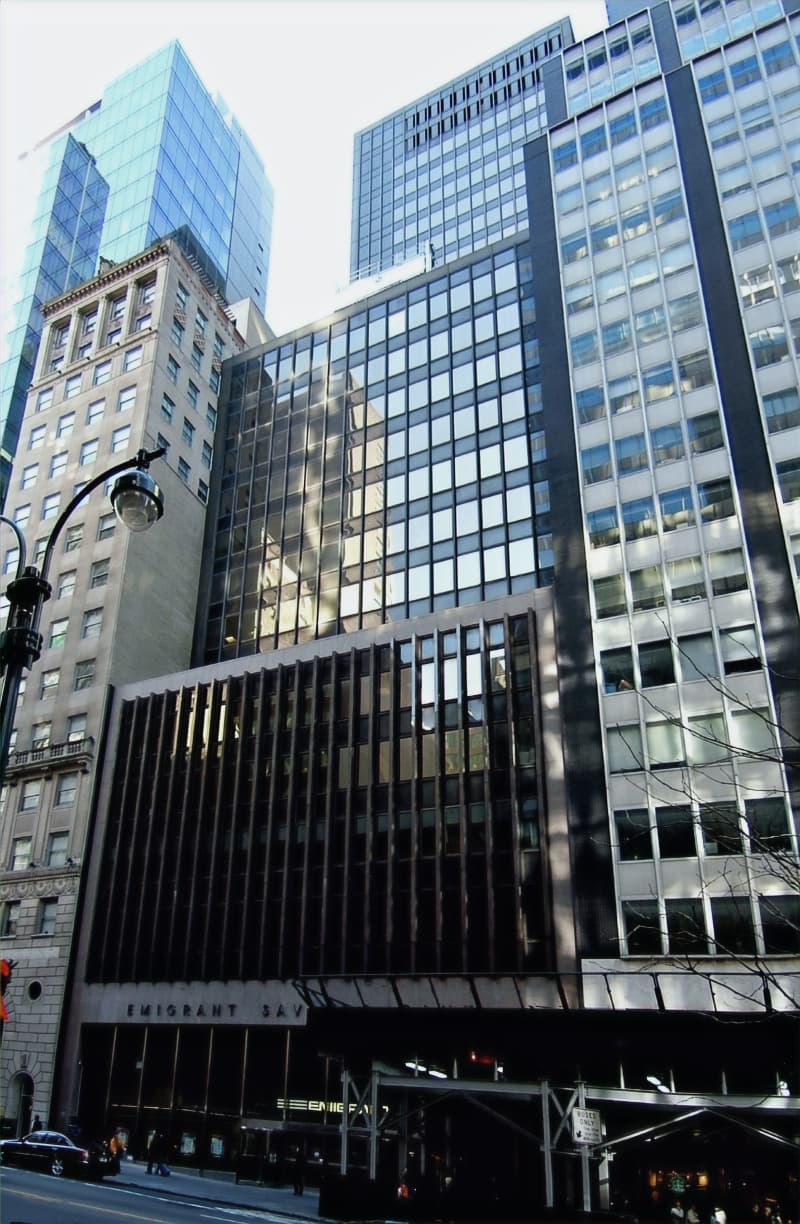
6 East 43rd Street
400,000 SF
$/SF
$338
Closed
2025
BuyerThe Vanbarton Group
SellerEmigrant Savings Bank
Deal Data
Press Coverage



Expertise


Skyline Properties works with qualified buyers seeking Manhattan office, multifamily, mixed-use, retail, development-site, ground-lease and conversion opportunities. Send us a clear acquisition mandate and we will measure each potential opportunity against your criteria.
Commercial properties may be marketed publicly, offered through a limited brokerage process or discussed privately with a selected group of qualified buyers. A buyer should not assume that every relevant opportunity appears on a listing platform or that every privately discussed property is ready to transact.
A complete acquisition mandate helps a broker determine whether a property matches the buyer’s asset class, location, price range, return requirements, timing, capital structure and operating capabilities. Qualification also helps protect seller confidentiality before sensitive information is released.
The exact order depends on the opportunity and the seller’s process, but a disciplined acquisition usually runs through these stages.
Specific criteria make matching more accurate and cut down on wasted outreach. A useful mandate states what the buyer will actually buy. A request for “anything available” doesn’t help anyone.
Each asset class requires different underwriting, diligence and operating capabilities. Buyers should define which risks they can evaluate and manage before receiving confidential opportunities.
Initial underwriting should test both the current operation and the assumptions required to achieve the business plan. The level of analysis should increase as more information is released.
A competitive purchase price is important, but sellers also evaluate the buyer’s ability to execute. A clear, credible offer is more useful than a high number supported by uncertain financing or extensive contingencies.
These published transactions illustrate the range of asset classes and structures Skyline Properties has handled. They are historical examples, not representations of current availability.
| Address | Published Price | Asset / Structure | Published Buyer |
|---|---|---|---|
| 6 East 43rd Street | $135M | Office / conversion candidate | Vanbarton Group |
| 101 Greenwich Street | Over $100M | Office / conversion strategy | Quantum Pacific + Metro Loft |
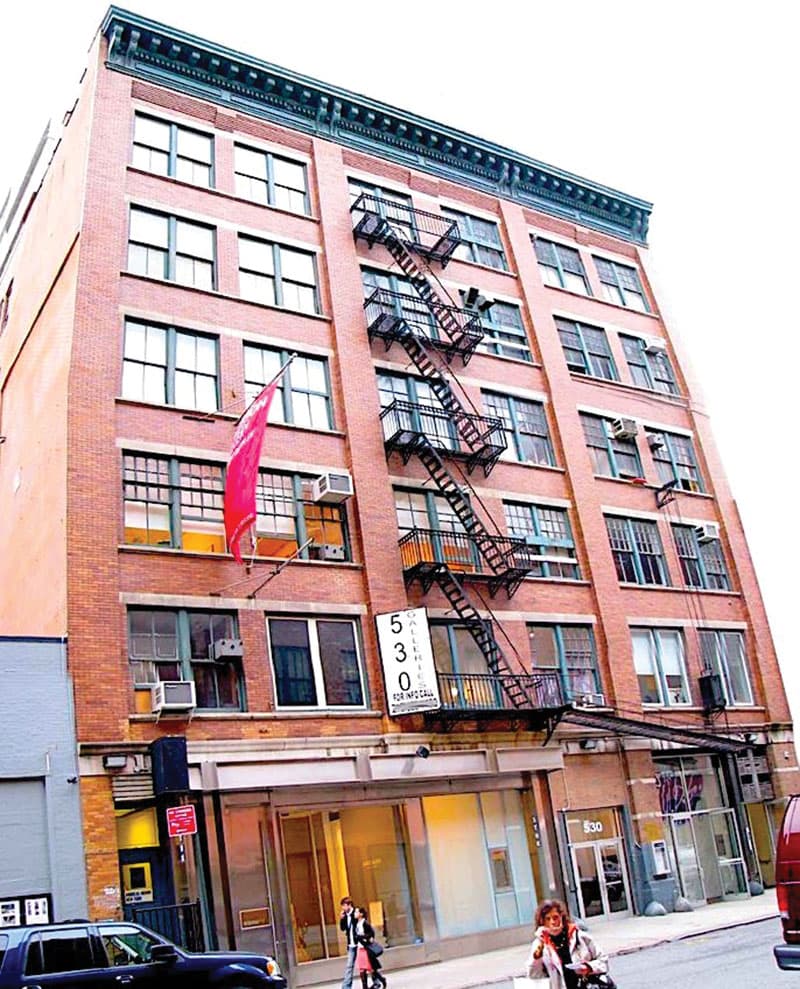
| 530 West 25th Street | $72.125M | Chelsea office building | Feil Organization |
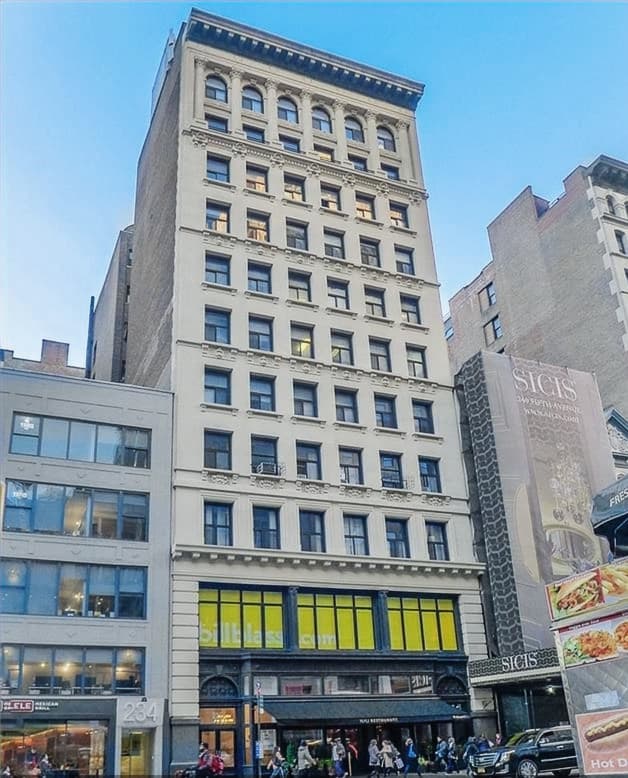
| 236 Fifth Avenue | $65M | 99-year ground lease | Kaufman Organization |
| 131-133 Prince Street | $50M | SoHo retail cooperative interest | Acadia Realty Trust |
Review the transaction database and case studies for published supporting details and source links.




Submit a written acquisition mandate describing your asset classes, locations, price range, timing, investment strategy, capital structure and relevant experience. Skyline Properties can then evaluate whether a potential opportunity matches those criteria and the seller’s process.
No. The page explains Skyline Properties’ buyer and acquisition advisory process and shows published historical transactions. Current opportunities may be confidential, unavailable for public display or subject to seller qualification requirements.
A useful mandate includes asset class, target neighborhoods, purchase-price range, equity availability, financing assumptions, return requirements, business plan, timing, decision-makers, approval process and relevant acquisition or operating experience.
Skyline Properties works with qualified buyers and sellers in Manhattan commercial transactions. The role, representation arrangement, confidentiality obligations and compensation should be defined for each assignment and transaction.
Off-market means the property is not being broadly advertised through a public listing. Access may be limited to selected buyers, and the seller may require qualification and confidentiality before releasing the property identity or detailed information.
Diligence commonly includes leases, financial statements, taxes, service contracts, title, survey, zoning, environmental and engineering reports, regulatory status, violations, capital needs, financing and the legal terms of the transaction. The required scope depends on the property and business plan.
Timing varies with the seller process, contract negotiation, diligence, financing, approvals, title and property-specific issues. Buyers should state timing constraints in the mandate and avoid assuming a fixed schedule before the opportunity is reviewed.
Provide your asset class, target locations, purchase-price range, capital structure, timing and relevant experience for confidential opportunity matching.
Submit an Acquisition Mandate