
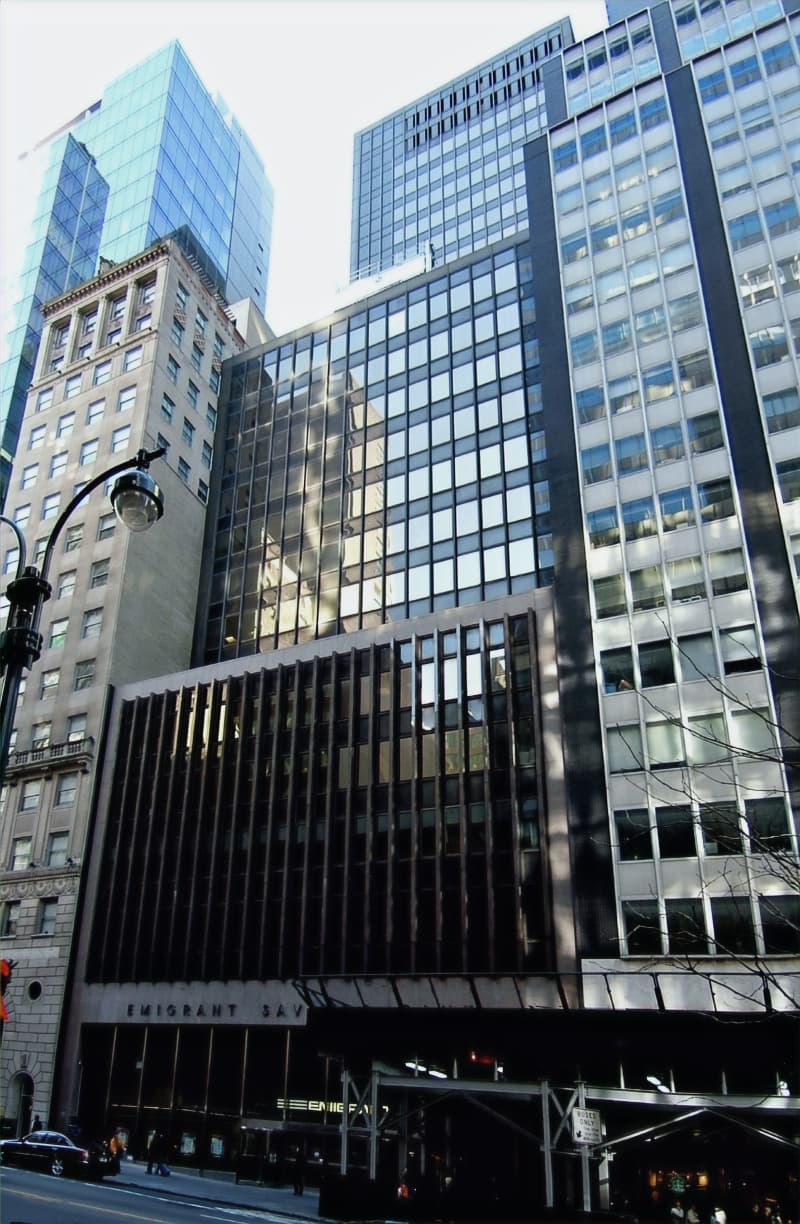
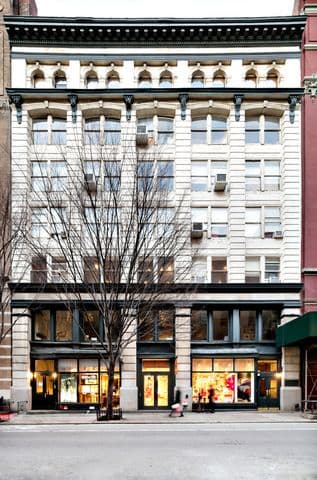
6 East 43rd Street
400,000 SF
$/SF
$338
Closed
2025
Deal Data
Press Coverage



Expertise


With the 467-m abatement reshaping the economics of office-to-residential conversion in New York, owners of underperforming or vacant office buildings face a real fork: convert the asset yourself, or sell it off-market to a converter who pays a premium for the basis. This page is a decision framework. It covers when converting in-house produces the better outcome, when an off-market sale nets more with far less risk, and how to run the numbers. Skyline Properties brokered the $135M off-market sale of 6 East 43rd Street to Vanbarton Group, Manhattan's largest 2025 conversion. Robert Khodadadian has closed $976M+ since 2006.
The 467-m abatement and a wave of office vacancy have turned hundreds of older Manhattan office buildings into viable residential conversion candidates. That optionality is worth real money, but it forces a decision most owners are not equipped to make alone: do you take on the conversion yourself, or sell to someone who will?
Both paths can be right. Converting captures the full upside if you have the capital, the expertise and the appetite for multi-year execution risk. Selling off-market to an experienced converter captures much of that upside today, in cash, with none of the construction, financing or lease-up risk, and often at a basis the converter is happy to pay because the abatement makes the math work for them.
Conversion is the right call for a specific kind of owner. If you check most of these boxes, keeping and converting the asset can capture the largest total return.
For many owners, especially those without a development arm or those who want certainty and liquidity now, selling to a converter is the higher-net, lower-risk outcome. The 467-m abatement raises what converters can pay, and an off-market process captures that premium without exposing the building to the market.
How the two paths compare on the variables that actually drive the decision. The right answer depends on the asset and the owner, and Skyline Properties models both before advising.
| Variable | Convert Yourself | Sell Off-Market to a Converter |
|---|---|---|
| Upside captured | Full, if execution succeeds | Most of it, priced into the sale today |
| Capital required | Large: construction + bridge debt | None: you receive proceeds |
| Risk borne | Construction, financing, lease-up | Minimal: it closes and you are done |
| Timeline to value | Multi-year (design → stabilization) | 60–120 days off-market |
| Expertise needed | Residential development + lease-up | None: Skyline Properties runs the sale |
| Confidentiality | Conversion plans become public | Full: no headline until close |
| Best for | Capitalized developers | Owners wanting certainty & liquidity |
Source: Skyline Properties. Outcomes are asset- and owner-specific; Skyline Properties models both paths to a net number before recommending one.
Run the abatement math before you decide
The 467-m abatement materially changes both sides of this equation. It raises the residual value a converter can pay, and it raises the return on a conversion you fund yourself. Before committing to either path, run your building through Skyline Properties' 467-m calculator to see the abatement's effect on a 35-year NPV basis.
Then get a confidential Broker Opinion of Value. Skyline Properties will tell you what a converter would realistically pay off-market today, set that against a conversion pro forma, and give you an honest net-proceeds comparison, including a recommendation not to sell when that is the right answer.
“Not every office should convert, and not every owner should be the one to convert it. The right answer is whichever path leaves you with more, at the risk you can actually carry.”
The first step costs nothing
If you own a Manhattan office building and are weighing conversion against a sale, start with a confidential Broker Opinion of Value. Skyline Properties will model both paths (convert-yourself and sell-to-converter) to a net-proceeds number, so you decide with real figures instead of a hunch.
There is no cost, no obligation and no exposure. Skyline Properties will not market the building or signal a process until you decide to engage. Reach Robert Khodadadian directly at (212) 537-9239 or info@skylineprp.com.
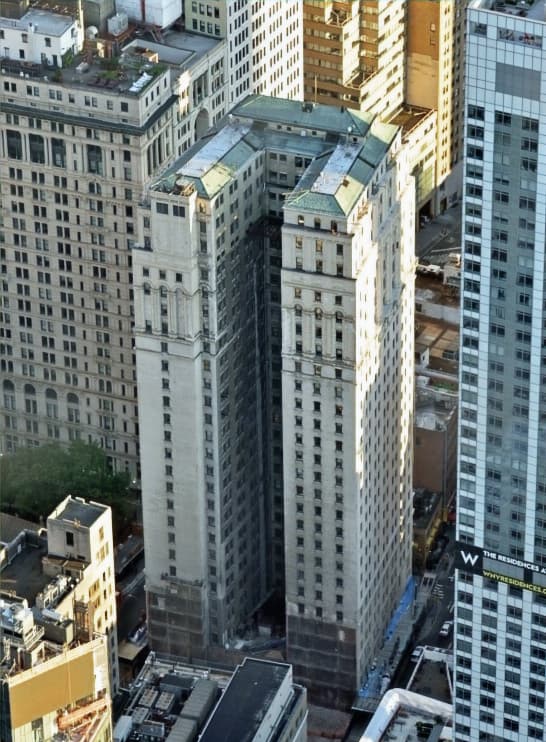
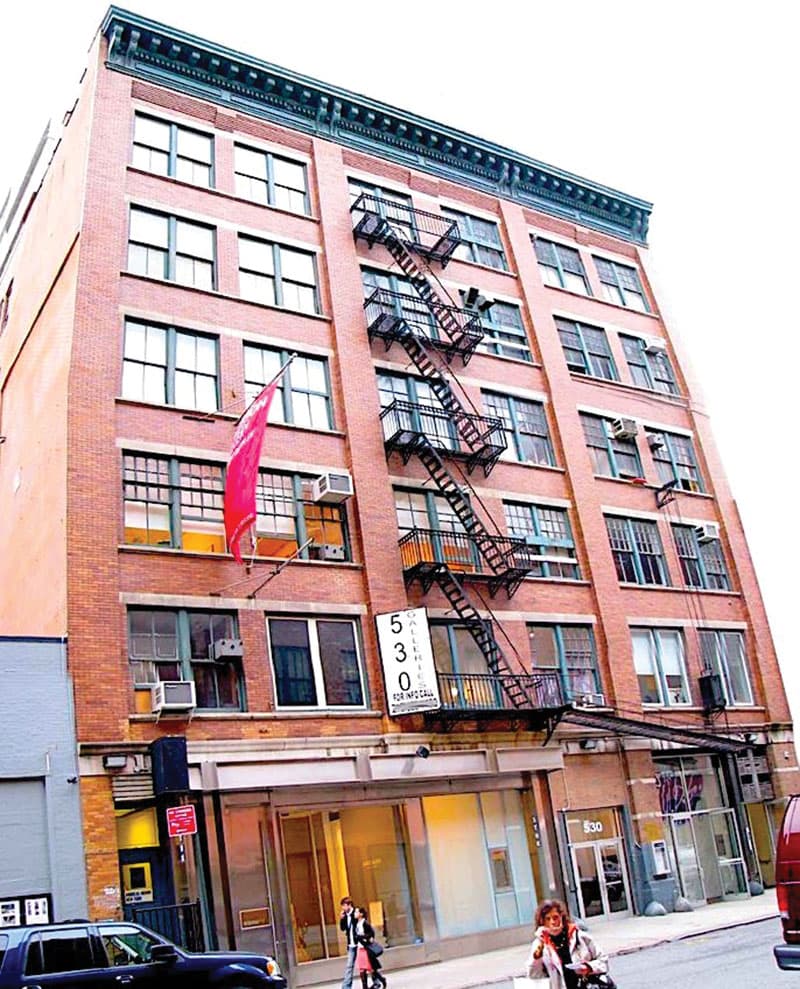
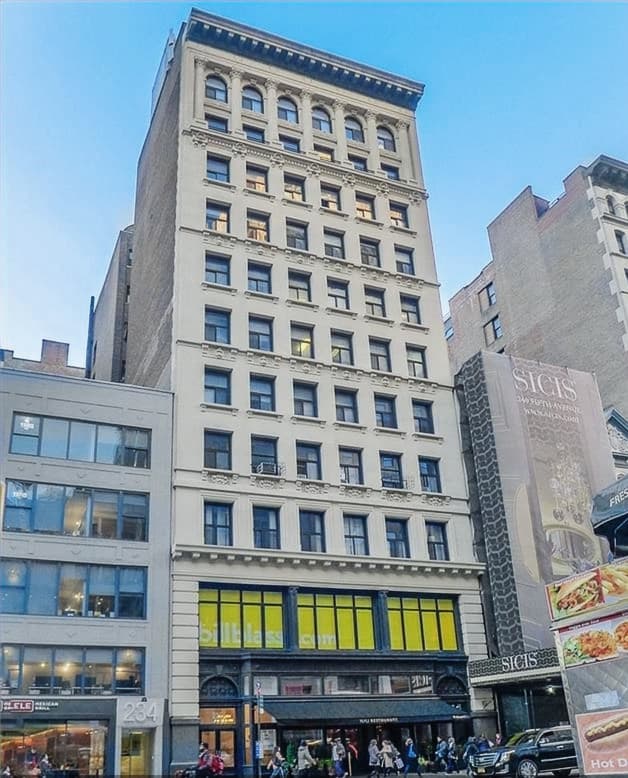

It depends on your capital, expertise, and risk tolerance. Converting yourself captures the full upside but requires large construction capital, residential development expertise, and the appetite for multi-year execution risk. Selling off-market to a converter captures most of the upside in cash today, with no construction or lease-up risk. Skyline Properties models both paths to a net-proceeds number before recommending one.
The 467-m abatement improves the economics of office-to-residential conversion, which raises both the return on a conversion you fund yourself and the price a converter can afford to pay for your building. That higher residual value is often what makes selling off-market to a converter an attractive, lower-risk alternative to converting in-house. Run your building through Skyline Properties' 467-m calculator to see the effect.
Experienced office-to-residential converters: institutional developers and specialist firms such as Metro Loft (Nathan Berman) and Vanbarton Group, both buyers in Skyline Properties-brokered deals. These buyers pay a premium basis when the 467-m math works, and they prefer off-market acquisitions. Skyline Properties has direct relationships with this buyer pool.
Yes, and confidentiality is often worth even more here. A quiet off-market process avoids signaling distress or vacancy to lenders, tenants, and the market, and lets you negotiate directly with vetted converters. Skyline Properties runs the entire process under NDA with no public listing.
An off-market sale to a converter typically closes in 60–120 days. A conversion you undertake yourself takes years: design, approvals, financing, construction, and lease-up to stabilization. That timeline difference, and the risk attached to it, is central to the decision.
Not every office converts well. Floorplate depth, light, window lines and core configuration all matter. If the building is a weak conversion candidate, that affects both what a converter will pay and whether converting yourself is viable. Skyline Properties assesses this honestly in the BOV and will tell you if neither conversion nor a conversion-premium sale is realistic.
Skyline Properties is an investment-sales brokerage. The firm represents owners selling off-market, including to converters. If converting in-house is the better path for you, Skyline Properties will say so; the firm advises on the decision and brokers the sale when selling is the right outcome. For abatement math, use the 467-m calculator.
Request a confidential Broker Opinion of Value at sky-nyc.com/bov-request, or contact Robert Khodadadian at (212) 537-9239. Skyline Properties will estimate what an experienced converter would realistically pay off-market today and set it against a conversion pro forma so you can compare net proceeds.
Request a confidential Broker Opinion of Value and Skyline Properties will model both paths (convert-yourself and sell-to-converter) to a net-proceeds figure. No cost, no exposure, no obligation.
Get a Confidential BOV