
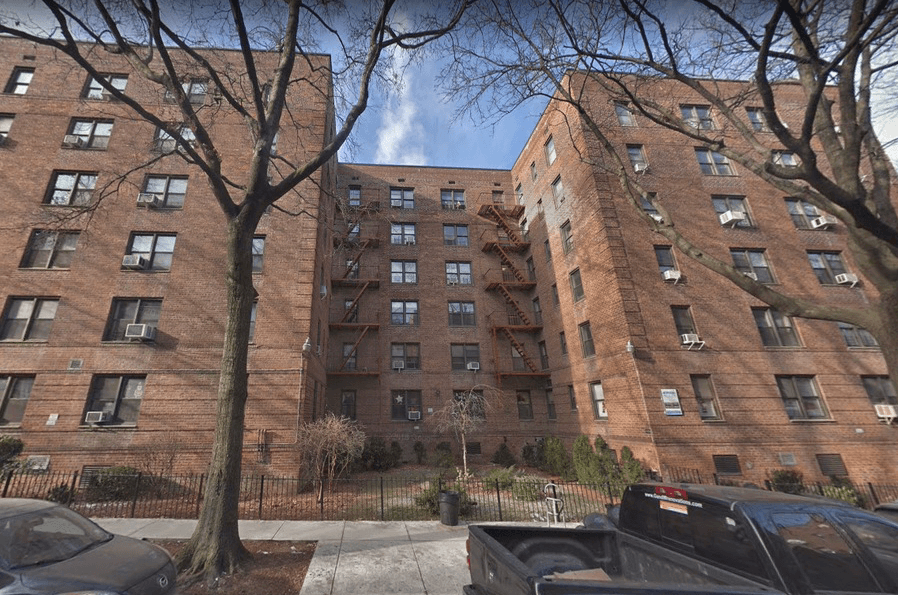
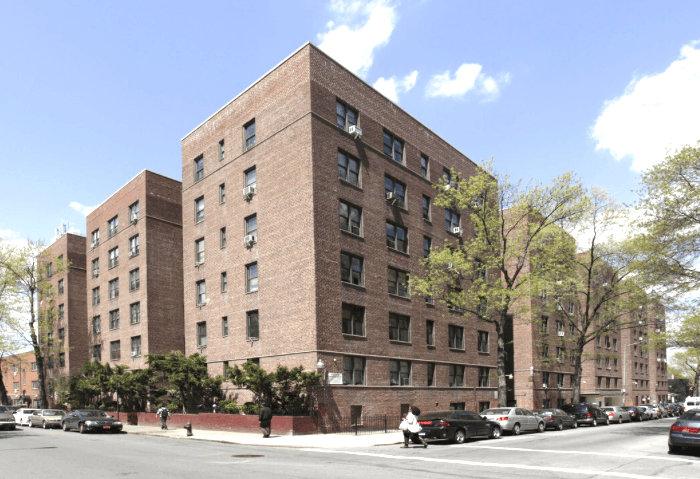
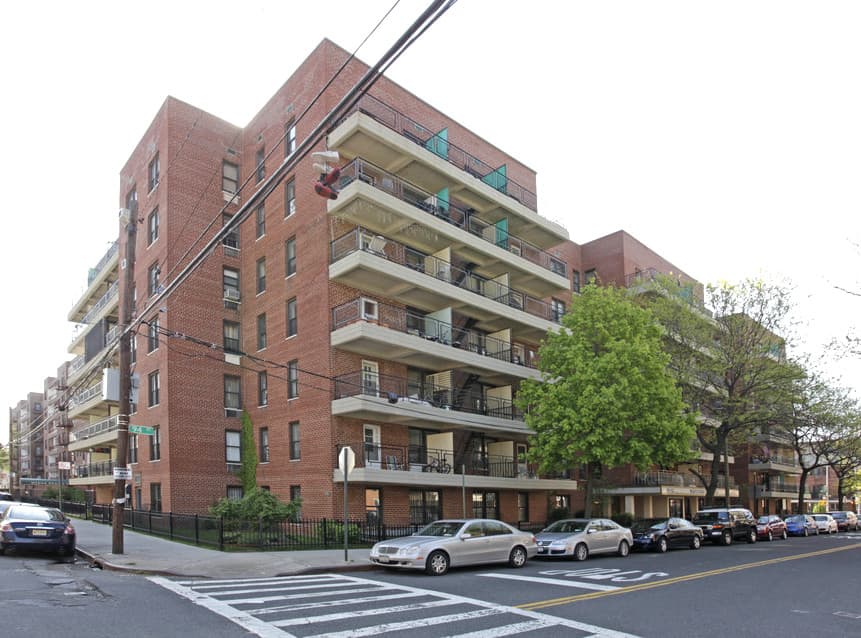
34-44 77th Street
104,000 SF


Discreet execution for multifamily portfolio sales across NYC, including off-market sourcing and qualified buyer outreach.
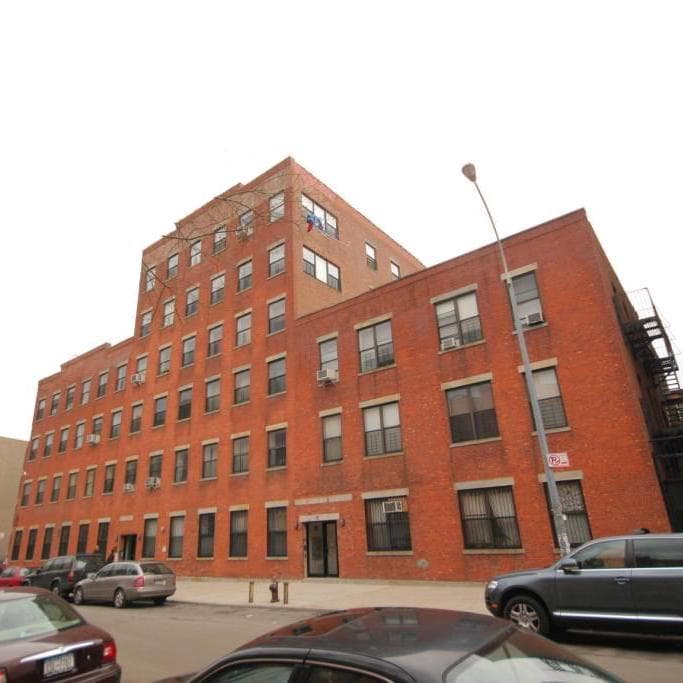
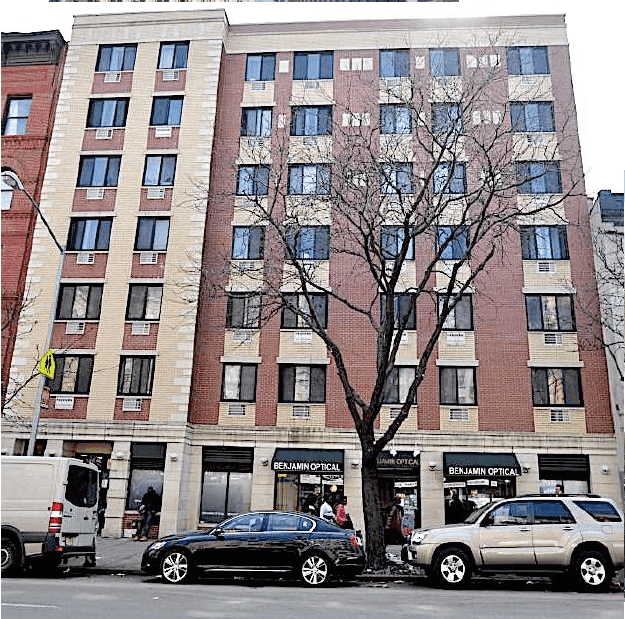

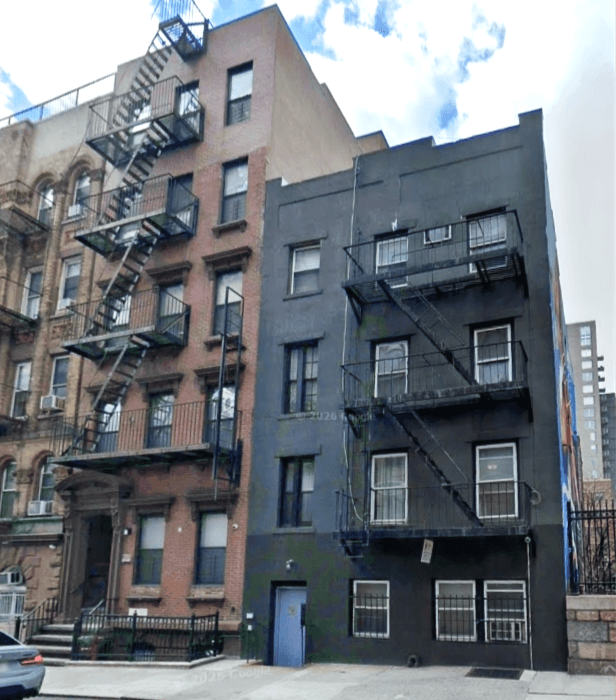
FAQ
NYC multifamily after HSTPA 2019: what principals need to know about rent stabilization, J-51, RGB rent caps, and current cap-rate ranges. Skyline Properties brokered the $46.5M Benedict Realty Queens portfolio in 2024.
Rent stabilization is a New York City and New York State framework that limits rent increases on roughly 1 million NYC apartments. The 2019 HSTPA reforms eliminated nearly every pathway to deregulate stabilized units (vacancy decontrol, IAI rent increases, and MCI cost recovery were all curtailed). As a result, stabilized buildings now trade at 5-7% cap rates on in-place NOI, with limited upside but the stable, predictable income that institutional capital values.
Free-market NYC multifamily lets owners set rents at market rates and raise them each year without restriction. Rent-stabilized buildings have annual increases capped by the NYC Rent Guidelines Board (RGB), historically 1.5-3.5% on one-year leases. Free-market trades at tighter cap rates (4-5.5%) because of its growth potential; stabilized trades wider (5-7%) but with regulated, stable cash flow.
The NYC Rent Guidelines Board (RGB) is a 9-member board appointed by the Mayor that sets annual rent-increase caps for the city's ~1M rent-stabilized apartments. Each year (typically June) the RGB votes on permitted increases for one-year and two-year lease renewals based on operating-cost data, vacancy rates, and inflation. Recent increases have ranged from 0% to 3.25% on one-year renewals.
Very few remain after HSTPA. Vacancy decontrol and high-income decontrol were both eliminated, and IAI/MCI rent increases were sharply reduced. What's left: substantial rehabilitation under MDL 26 (a very high bar), demolition and redevelopment under specific exemptions, and some preferential-rent restructurings. Don't underwrite NYC multifamily today on the assumption of meaningful deregulation upside.
Manhattan multifamily cap rates in 2026: free-market (luxury) buildings at 4.0-5.0%; mixed free-market + stabilized at 4.5-5.5%; primarily stabilized at 5.0-6.5%; deeply distressed (regulatory + physical) at 6.5-8%+. Outer-borough multifamily generally trades 100-200 bps wider than Manhattan equivalents. Skyline Properties’ 2024 Benedict Realty Queens multifamily portfolio acquisitions ($46.5M each) at ~5.5% trailing cap reflect typical Queens stabilized pricing.
J-51 is a NYC property tax abatement and exemption program for major capital improvements and conversions of certain pre-1974 multifamily buildings. It expired in 2022 and was reauthorized in 2024. It provides a 14-year tax exemption on the increased assessed value plus a 34-year abatement of up to 90% of qualified renovation costs against future taxes. Eligibility turns on building age, the scope of the alteration, and tenant-protection compliance, and J-51 buildings usually come with rent-stabilization obligations.
Robert Khodadadian, Founder, President & CEO of Skyline Properties, advises on Manhattan multifamily and apartment building investment sales through confidential, senior-led, principal-to-principal transactions. Skyline Properties has closed $976M+ across 32+ NYC deals, and Robert won the 2025 RED Award for Off-Market Investment Sales Broker of the Year.
Selected articles from the Skyline Properties insights library, where Robert Khodadadian writes on NYC commercial real estate strategy, capital markets, and deal execution.
Rent-Stabilization Investment Guide for NYC Multifamily
Post-HSTPA economics, MCI / IAI allowances, DHCR registration discipline.
Agency Lending for NYC Multifamily: Fannie Mae and Freddie Mac
How agency execution prices NYC multifamily debt.
Cap Rate Analysis for NYC Commercial Real Estate
Current Manhattan multifamily cap rate ranges.
Value-Add Investment Guide for NYC Commercial Real Estate
Business plan structure and target IRR for multifamily value-add.
Operating Expense Management for NYC Commercial Real Estate
OpEx discipline drives multifamily NOI growth.
Senior Housing Investment in NYC
Demographics, supply gaps, and asset class distinctions.