
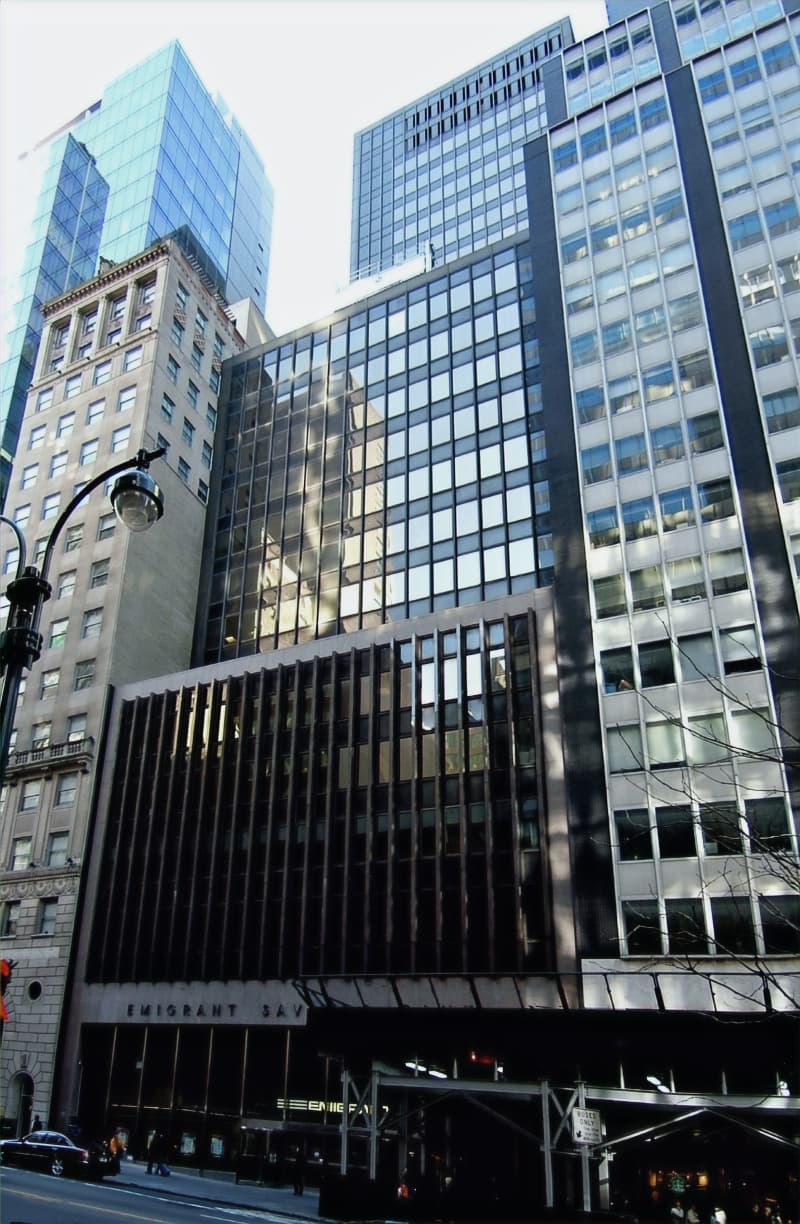
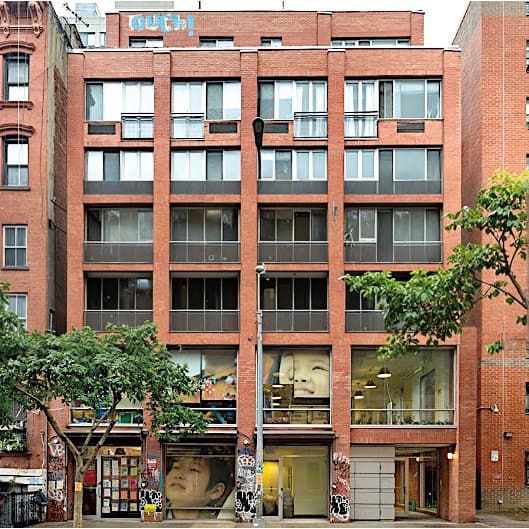
6 East 43rd Street
400,000 SF
$/SF
$338
Closed
2025
BuyerThe Vanbarton Group
SellerEmigrant Savings Bank
Deal Data
Press Coverage



Expertise


This page is for qualified buyers evaluating apartment buildings in New York City. Skyline Properties reviews acquisition mandates for free-market, rent-regulated, mixed-use, walk-up, elevator and portfolio opportunities, including confidential transactions that are not publicly advertised.
An apartment building offered for sale is an income-producing residential property whose value depends on its rent roll, legal and regulatory status, operating expenses, physical condition, location, financing environment and future business plan. It may be marketed publicly or offered privately to a selected group of qualified buyers.
This page explains the buyer process. It does not represent that every property type or neighborhood described below is currently available. Confidential opportunities may require buyer qualification and an NDA before the property identity or detailed records are released.
A specific mandate and disciplined underwriting will get a buyer further than a broad request for any multifamily property.
The mandate should spell out the buyer’s actual investment parameters. Precise criteria let us tell whether a property is relevant before any sensitive information goes out.
Apartment buildings vary widely in legal status, operations and capital requirements. Buyers should limit the mandate to property types they are prepared to underwrite and run.
A buyer should not underwrite a regulated apartment building from a summary label alone. Unit histories, registrations, leases, preferential rents, exemptions, improvements, succession issues, overcharge exposure and pending proceedings can materially affect income and risk.
New York housing laws and administrative rules can change. Buyers should verify the current legal status of every unit and obtain advice from qualified housing counsel rather than relying on generalized assumptions or historical rules.
Multifamily underwriting should test the existing operation, the capital plan and every assumption the business plan depends on.
The scope depends on the property, but a buyer commonly reviews the following records before closing.
A seller weighs the whole proposal along with the stated price. Buyers gain credibility by being clear about financing, approvals, diligence requirements and closing conditions.
These are published historical examples. They are not current listings and should not be read as a representation of present availability.
| Property | Published Price | Description | Published Buyer |
|---|---|---|---|
| Queens three-building portfolio | $46.5M | 433-unit multifamily portfolio | Benedict Realty Group |
| 79 Clifton Place, Brooklyn | $22.9M | Brooklyn multifamily property | FREO U.S. Management |
| 165 Eldridge Street, Manhattan | $19.25M | Lower East Side multifamily property | FREO U.S. Management |
| 246 West 116th Street, Manhattan | $6.3M | Harlem apartment building | Alex Hajibay |
| 216-218 East 36th Street, Manhattan | $5.65M | Murray Hill apartment buildings | Jacob Oved |
| 136 West 22nd Street, Manhattan | $2.1M | Chelsea apartment building | Private buyer |
See the published transaction database for individual records and available source links.


Submit a written multifamily acquisition mandate with target locations, unit count, building type, price range, rent-regulation tolerance, investment strategy, capital information, timing and relevant experience. Skyline Properties can then evaluate whether a potential opportunity matches those criteria and the seller’s process.
No. The page explains the acquisition process and shows published historical transactions. Current opportunities may be confidential, unavailable for public display or subject to seller qualification requirements.
There is no reliable single range. Value depends on location, unit count, legal rents, free-market income, commercial space, expenses, taxes, condition, regulation, financing and the property’s business plan. A buyer should underwrite the specific asset rather than rely on a broad citywide estimate.
Cap rates are influenced by location, income quality, rent regulation, vacancy, condition, capital requirements, growth assumptions, financing and investor demand. The stated cap rate should also be checked against the exact income and expense assumptions used to calculate it.
Yes, but the buyer must verify the legal status and history of each unit, understand current housing law, test the existing income and capital plan, and consult qualified legal and regulatory advisers before relying on any rent-growth or repositioning assumptions.
In addition to residential leases and regulatory records, the buyer should review commercial leases, tenant credit, options, expense reimbursements, permitted uses, storefront condition, allocation of taxes and utilities, and the interaction between commercial and residential operations.
Timing varies with seller requirements, contract negotiation, diligence, financing, title, regulatory review and property-specific issues. Buyers should state timing constraints in the mandate and avoid assuming a fixed closing period before reviewing the asset.
Provide target locations, building type, unit count, price range, regulation tolerance, capital structure, timing and relevant experience for confidential opportunity matching.
Submit a Multifamily Mandate