
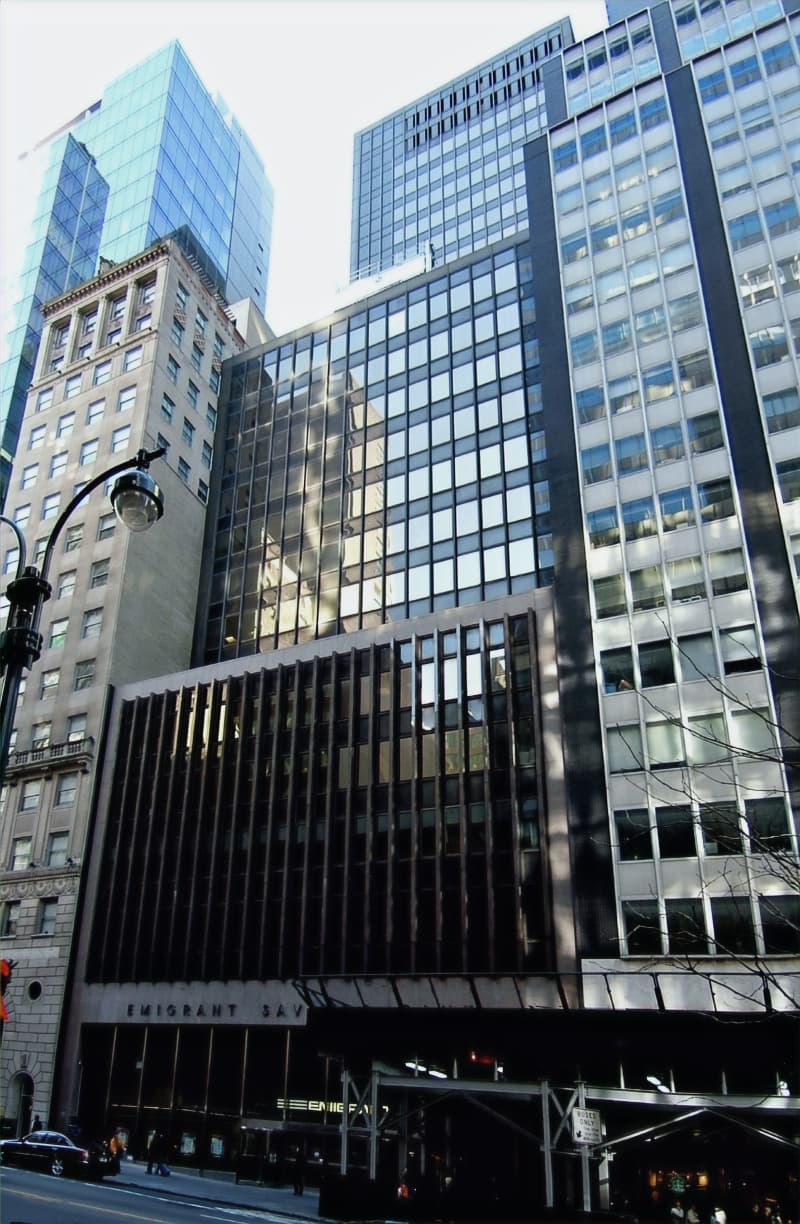
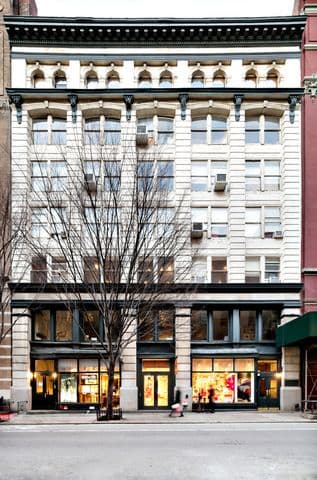
6 East 43rd Street
400,000 SF
$/SF
$338
Closed
2025
Deal Data
Press Coverage



Expertise


Skyline Properties is a premium, senior-led brokerage, and we think a premium fee should come with a clear account of how we get to a number. This page lays out our pricing framework: how we value a Manhattan commercial asset, when a confidential off-market process produces higher net proceeds than a public listing, and exactly how our fees work on the sell side and the buy side. Robert Khodadadian has closed $976M+ across 32+ transactions since 2006, the majority of them off-market.
Most brokers won't put their pricing logic in writing. We will. Pricing a commercial property starts with the comp set and ends with a judgment call: which sale process leaves the seller the most money after fees, taxes, marketing cost, tenant fallout, and the risk of a buyer re-trading after due diligence.
Skyline Properties runs both public and off-market processes. Our specialty, and our default recommendation when the asset supports it, is the confidential off-market process. The framework below is how we decide, asset by asset, which path leaves the most money in the seller's pocket.
We weigh six variables on every assignment. Each one can move net proceeds up or down regardless of the headline price. A big public auction number that comes with a 2% marketing tax, tenants heading for the exits and a post-diligence re-trade can net the seller less than a clean off-market close at a slightly lower gross.
The headline price is where the math starts. What a seller keeps depends on the line items underneath it. Here is how the two processes compare on the variables that decide net proceeds. Skyline Properties runs both and recommends whichever nets more for the specific asset.
| Net-Proceeds Variable | Off-Market (Skyline Properties Default) | Broad-Market (Public Listing) |
|---|---|---|
| Buyer pool | 3–12 NDA-vetted principals | 5,000+ broker recipients |
| Seller marketing cost | Minimal: curated teaser, no ad spend | 1–3% marketing tax on gross |
| Tenant / income disruption | None: no leak to occupiers | High: comp leakage is routine |
| Re-trade after diligence | Rare: consensus pricing | Common: the winning bid is the outlier |
| Timeline to close | 60–120 days | 4–8 months on average |
| Carry cost during process | Lower: shorter hold | Higher: months of added carry |
| Confidentiality | Full: no headline until close | Public from listing day |
Source: Skyline Properties process economics across $976M+ closed since 2006. Net-proceeds outcomes are asset-specific; Skyline Properties models both paths before recommending one.
The marketing tax nobody itemizes
A broad-market campaign costs the seller money even when the listing broker presents the commission as the only cost. The seller pays for the offering memorandum, the listing-platform exposure, the advertising and, less visibly, the comp leakage that tells every tenant, lender and competitor the building is in play. We call this the marketing tax. On a typical Manhattan commercial sale it runs roughly 1–3% of gross, before a single dollar of disruption to the underlying income.
Confidentiality-weighted pricing puts that tax on the page and asks one question: does the wider public buyer pool bring in enough extra gross to cover the marketing tax, the carry, the re-trade risk and the disruption? For trophy assets, ground-lease fee positions, rent-stabilized portfolios and conversion candidates, the answer is frequently no. That is why those assets so often trade off-market in Manhattan.
We are not dogmatic about it. Off-market is the right call for most of what we handle, but a public process does win in specific situations, and we will tell you when yours is one of them. Being straight about that is the reason to publish a framework at all.
“The number that matters isn't the one in the press release. It's the one the seller keeps. We price for that.”
Skyline Properties is a premium brokerage and prices like one. What you pay for is senior-level execution (Robert Khodadadian is on every assignment, with no junior team in between) and a confidential buyer network that public-market brokers cannot replicate. We do not compete on the lowest commission, and we say so up front.
Sell-side mandates are a negotiated success fee, agreed in writing before we begin and earned only on a closing the seller accepts. There is no marketing-cost pass-through to surprise you at the closing table, because an off-market process does not incur one.
Buy-side mandates can be structured as a retainer plus a success fee. The retainer filters for serious principals and funds the dedicated sourcing work; the success fee aligns us to closing the right acquisition at the right basis. It is a structure few in the market offer transparently, and it exists to protect the buyer's time as much as ours.
Start with a confidential BOV: no exposure, no obligation
The first step in pricing is a Broker Opinion of Value. Skyline Properties provides confidential BOVs at no cost and with no commitment. We will not pitch your building to anyone, we will not run comps in a way that signals a process, and we will not put anything in writing that creates a paper trail until you have decided you want to engage.
If you own a building and are weighing a sale, or you advise a client who is (as an attorney, accountant or family-office principal), request a confidential BOV. We will walk you through both the off-market and broad-market net-proceeds numbers for the specific asset before you decide anything.

Skyline Properties prices for net proceeds rather than headline price. We weigh six variables (gross pricing power, marketing cost, tenant/income risk, re-trade risk, timeline and carry, and the value of confidentiality) and model both an off-market and a broad-market process to a net number before recommending one. We call this confidentiality-weighted pricing.
Often, but not always. An off-market process avoids the 1–3% marketing tax, reduces re-trade risk, shortens the timeline and keeps tenants and lenders undisturbed. For trophy assets, ground-lease fee positions, rent-stabilized portfolios and conversion candidates, that frequently produces higher net proceeds than a public auction. For broadly desirable assets with real competitive scarcity, a public process can win. Skyline Properties models both before advising.
It is Skyline Properties' framework for pricing the sale process as well as the asset. It puts numbers on the hidden costs of public exposure (marketing tax, carry, re-trade risk and disruption to income) and asks whether the wider buyer pool generates enough additional gross to cover them. When it doesn't, a quiet off-market process nets the seller more.
Sell-side mandates are a negotiated success fee, agreed in writing before we begin and earned only on a closing you accept. Because an off-market process carries no public marketing campaign, there is no marketing-cost pass-through at the closing table. Skyline Properties is a premium, senior-led brokerage and prices accordingly. Robert Khodadadian is on every assignment.
Buy-side mandates can be structured as a retainer plus a success fee. The retainer filters for serious principals and funds dedicated off-market sourcing; the success fee aligns Skyline Properties to closing the right acquisition at the right basis. It is a transparent structure few competitors offer, designed to protect the buyer's time.
Yes. Skyline Properties provides confidential BOVs at no cost and with no obligation. We will not market your property, will not run comps in a way that signals a process, and will not create a paper trail until you decide to engage. You can request one at sky-nyc.com/bov-request.
Because you are buying a different service. You get senior-level execution from the founder on every deal, a confidential pre-qualified buyer network that public-market brokers cannot access, and a process built to protect net proceeds rather than pad listing volume. Skyline Properties has closed $976M+ across 32+ transactions and won the 2025 RED Awards Off-Market Investment Sales Broker of the Year.
The marketing tax is the often-unitemized cost of a public sale: offering-memorandum production, listing-platform fees, advertising, and the comp leakage that tells tenants, lenders, and competitors the building is in play. On a typical Manhattan commercial sale it runs roughly 1–3% of gross, a cost an off-market process largely avoids.
Yes, when the numbers support it. If an asset is broadly desirable to an unpredictable buyer universe, has genuine competitive scarcity, or sits in a fiduciary/estate context that requires a documented open-market test, a public process may net more. Skyline Properties recommends whichever path produces the higher net proceeds for the seller's objective. The firm's own preference doesn't enter into it.
Robert Khodadadian, Founder, President & CEO, leads pricing and execution personally on every assignment. No junior team runs your deal. The pricing framework and the confidentiality it depends on both rest on that senior-led, principal-to-principal model.
Request a confidential Broker Opinion of Value. Skyline Properties will model both the off-market and broad-market net-proceeds numbers for your asset. No exposure, no obligation.
Request a Confidential BOV