
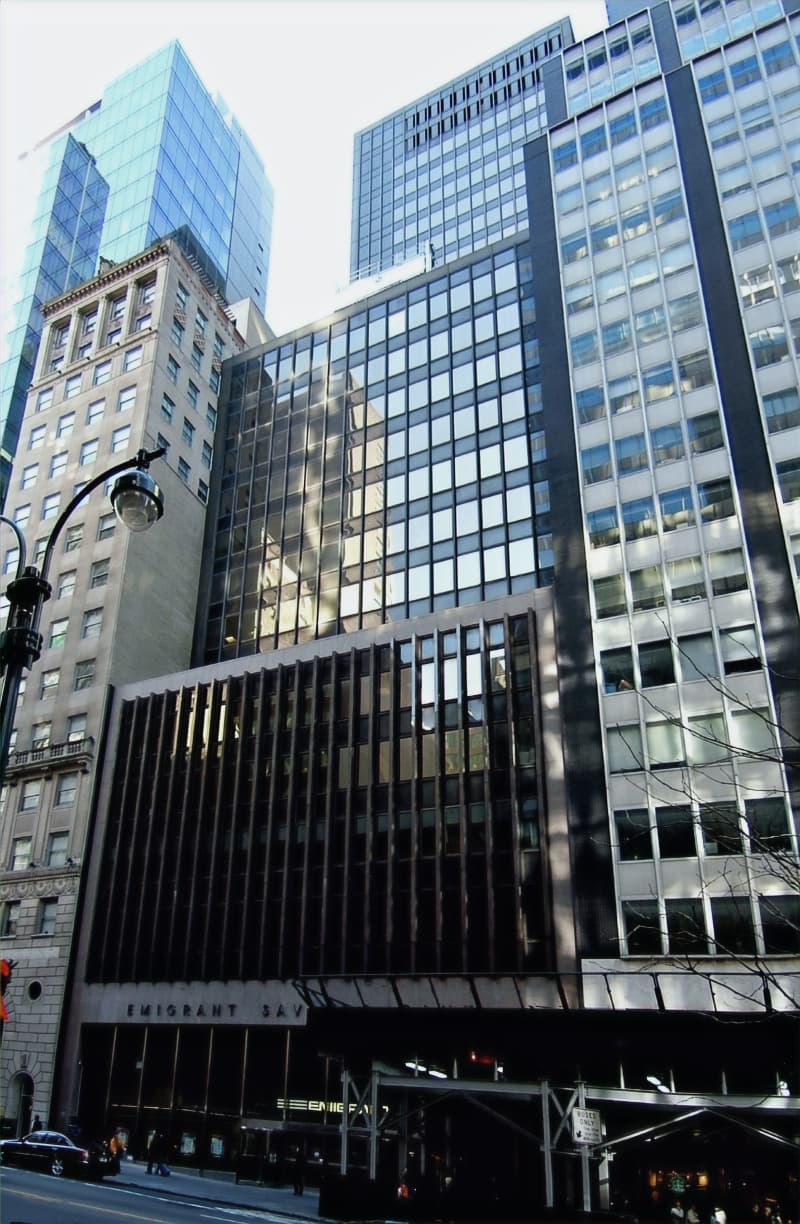
6 East 43rd Street
400,000 SF
$/SF
$338
Closed
2025
Deal Data
Press Coverage



Expertise


Ground leases are one of the most complex and least-understood asset classes in Manhattan commercial real estate, and one of the most active in off-market deal flow. This Off-Market Pulse brief looks at the ground lease market from inside Skyline Properties' 20+ year practice: 99-year lease structures, how fee and leasehold positions get priced, rent-reset mechanics, and where institutional capital is moving. Robert Khodadadian has closed $120M+ in ground lease transactions, including the $65M 99-year lease at 236 Fifth Avenue.
Ground leases are structurally suited to off-market transactions. The buyer and seller pools are small and specialized: fee owners who understand the long-duration income stream, leasehold owners who know how to manage the reset risk, and institutional investors who value the bond-like cash flow of a well-structured ground rent. A public auction adds no value when both sides already know each other.
The complexity of the instrument itself drives confidentiality. Rent-reset provisions, subordination clauses, default cures, and fee/leasehold valuation splits all require principal-to-principal negotiation. These deals close between experienced principals who have no use for the noise of a public process and go out of their way to avoid it.
Patterns Skyline Properties is seeing across active mandates and closed ground lease transactions in Manhattan.
If you own a ground lease fee position, institutional demand is strong and pricing reflects the asset class's bond-like appeal. A confidential BOV gives you a real-time read on what the fee is worth without signaling anything to the lessee or the market.
If you own a leasehold interest and a rent-reset is approaching, the economics of transacting before the reset versus after it can differ by millions. Skyline Properties models both scenarios and can tell you what leasehold buyers would pay today versus the expected value after the reset is known.
Either way, start at sky-nyc.com/bov-request or call Robert Khodadadian at (212) 537-9239.
Institutional buyers sourcing ground lease positions, fee or leasehold, should be looking off-market. The best ground lease assets in Manhattan rarely hit the public market because the fee owners and leasehold owners both value discretion, and the specialized buyer pool means a curated match produces better outcomes than a broad auction.
Submit a confidential buyer mandate at sky-nyc.com/submit-mandate. Specify fee vs. leasehold preference, target submarket, and return parameters. Skyline Properties matches qualified principals to off-market ground lease opportunities before they reach the broader market.
“Ground leases are the asset class where off-market matters most. The buyers and sellers are sophisticated enough that a curated match produces better pricing and fewer surprises than a public process ever could.”
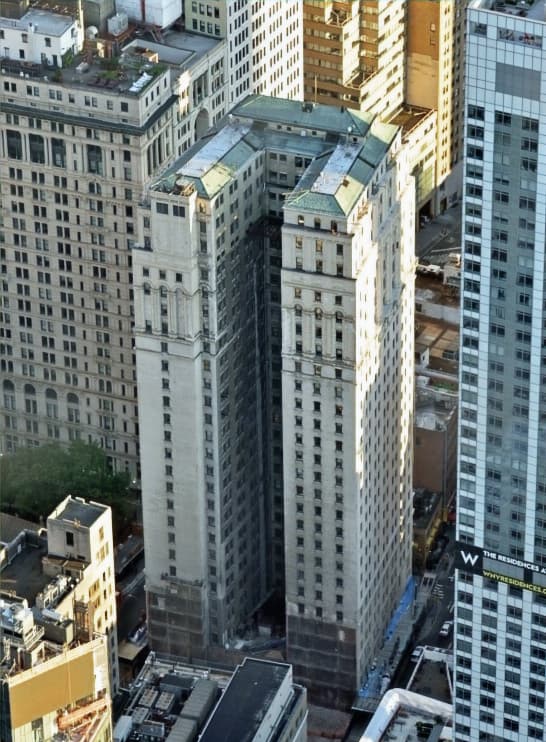
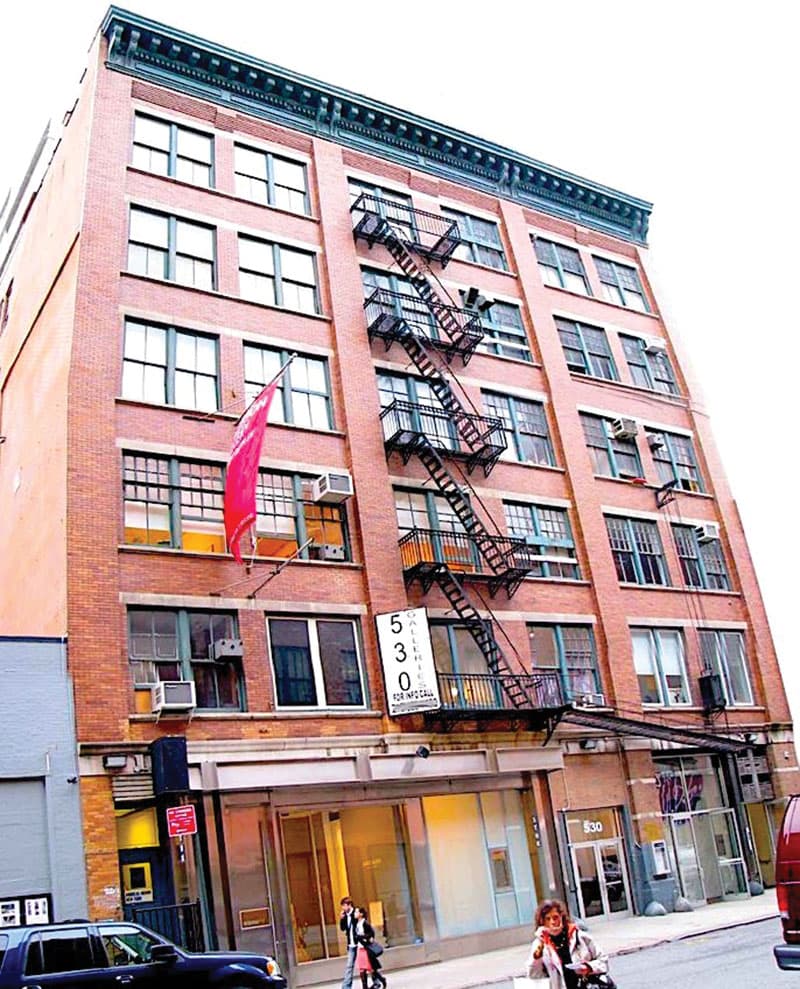
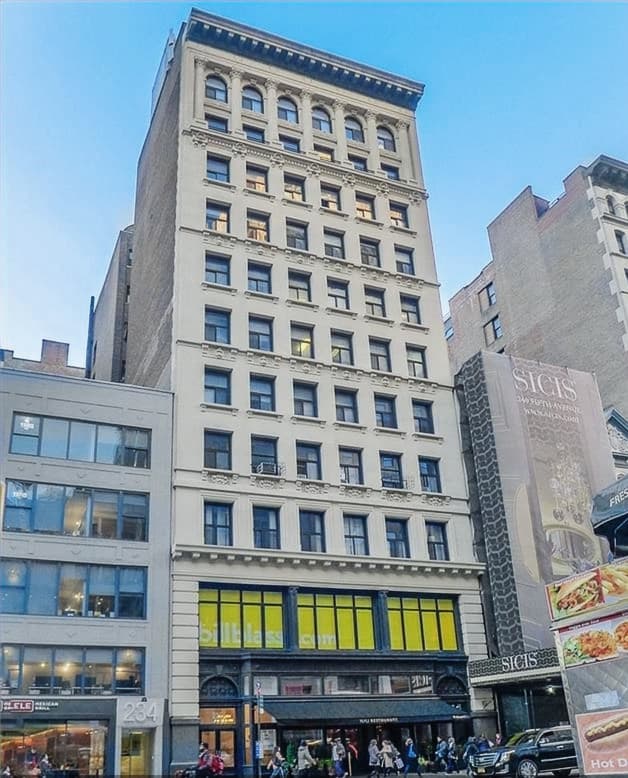
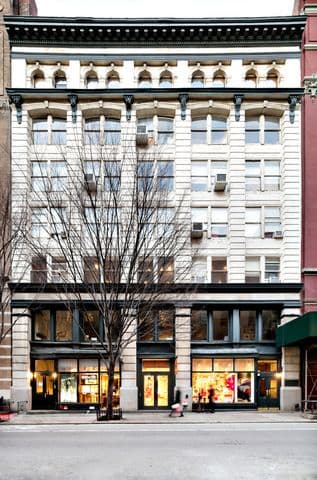
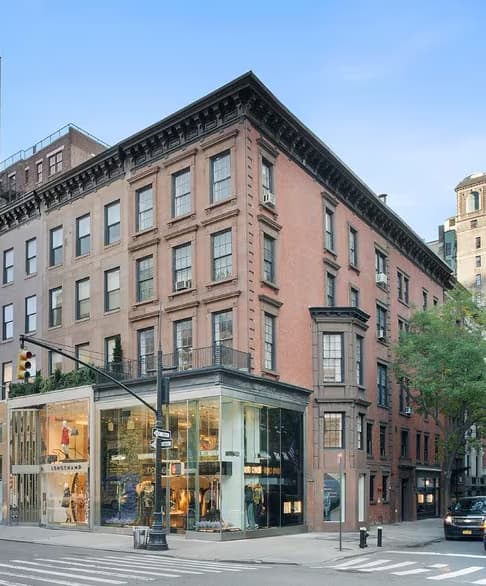

A ground lease separates land ownership (the fee position) from building ownership (the leasehold). The fee owner retains title to the land and receives ground rent; the lessee owns and operates the building. In Manhattan, 99-year structures are the institutional standard. Skyline Properties has closed $120M+ in ground lease transactions.
The fee owner holds title to the land and collects ground rent, a long-duration, inflation-protected income stream often compared to a bond. The leasehold owner holds the building and operating cash flow, but faces periodic rent resets that can materially change the building's economics. Each position has a distinct investor profile and valuation methodology.
The buyer and seller pools are small and specialized. Fee owners, leasehold owners, and institutional ground-lease investors all value discretion, and the structural complexity of rent resets, subordination, and fee/leasehold splits requires principal-to-principal negotiation rather than an auction. Skyline Properties runs ground lease transactions confidentially by default.
A rent reset is a periodic adjustment to the ground rent, typically at defined intervals (e.g., every 21 years). Resets can be based on fair market value, a fixed escalation, or CPI. An approaching reset creates uncertainty about future ground rent, which affects both the fee valuation (upside potential) and the leasehold valuation (cost risk). Skyline Properties models both sides before advising.
Skyline Properties models fee and leasehold positions separately using the comp set, rent-reset provisions, subordination terms, and remaining lease duration. The firm's $120M+ ground lease track record, including the $65M 236 Fifth Avenue 99-year lease, gives it direct comp experience most brokers don't have. Request a confidential BOV at sky-nyc.com/bov-request.
Whether you hold the fee or the leasehold, a confidential BOV tells you what the market would pay today, modeled against the rent-reset timeline and subordination terms. Nothing goes to market, and there is no obligation.
Get a Confidential BOV